Choosing your first coloring supplies sounds easy until you see dozens of colored pencils, markers, crayons, and other options in stores.
Some tools work beautifully for detailed patterns, while others are better for large shapes, making it difficult to know what you need.
Buying expensive supplies isn’t necessary when you’re just starting, especially if you haven’t discovered which coloring methods you enjoy using most.
In this article, you’ll discover the best coloring tools for beginners, how to choose them, and what belongs in your first kit.
Things to Know Before Buying Coloring Tools
Before spending money on coloring supplies, look at the designs you enjoy because different pages need different levels of control and precision.
Large cartoon characters are easier to fill with crayons or markers, while detailed flowers and patterns usually work better with colored pencils.
Think about your budget and how often you’ll color, since buying a huge collection makes little sense for an occasional hobby.
Start with a small set that feels comfortable, and add more supplies once you discover what works best for your coloring style.
Types of Coloring Tools
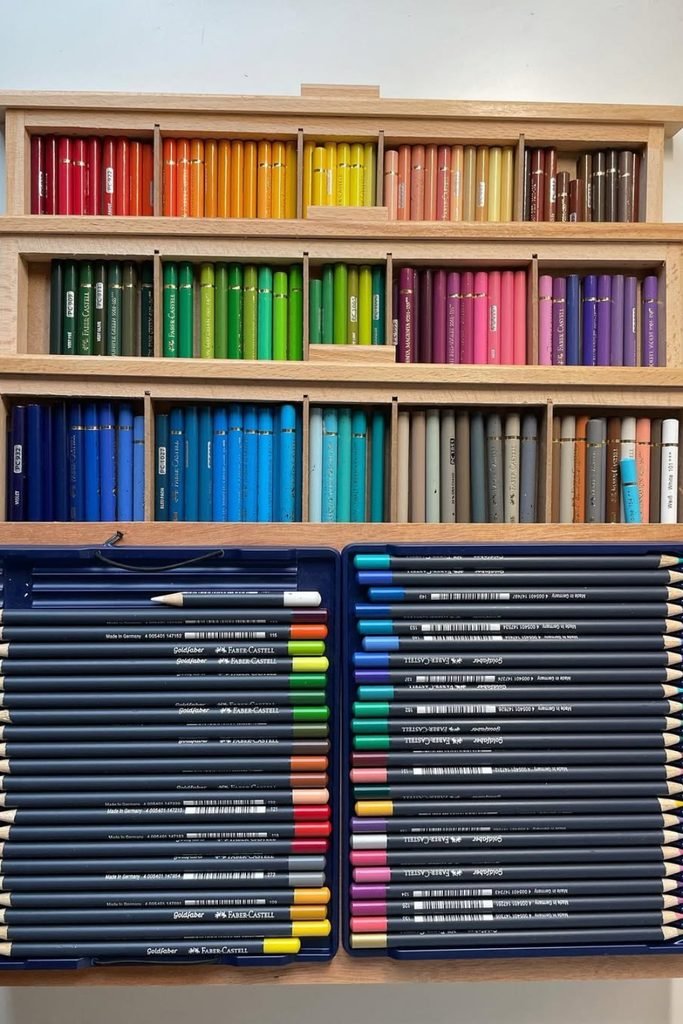
Colored pencils give you better control over small details and allow you to create lighter or darker shades by adjusting pressure.
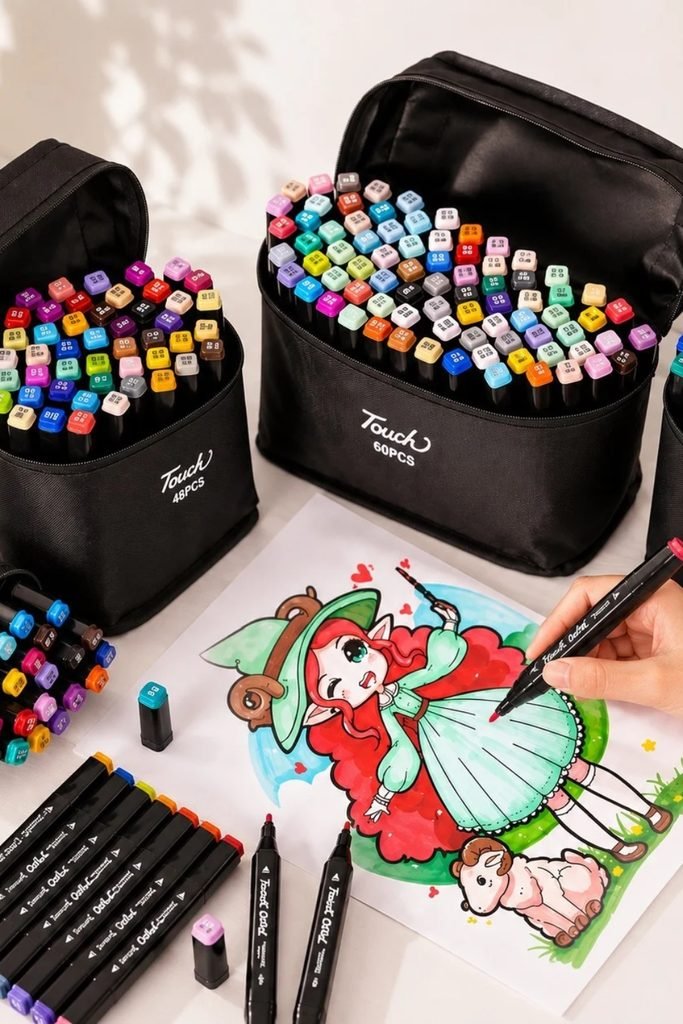
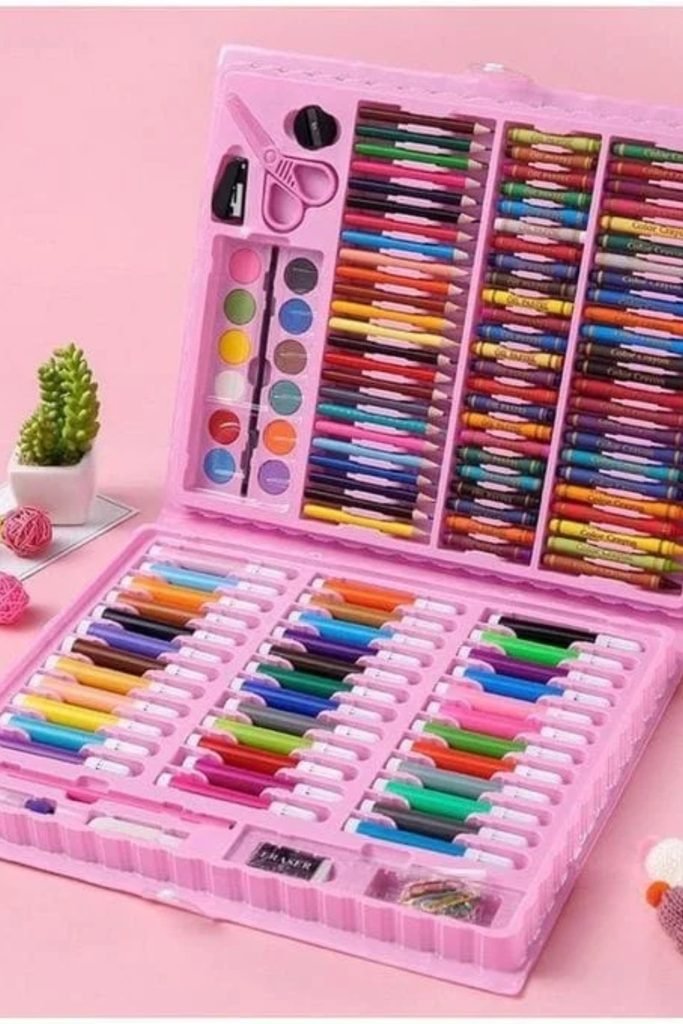
Crayons are useful for filling larger spaces, while washable markers work well when you want bright colors without spending much time coloring.
Gel pens help you decorate small patterns and add highlights, while watercolor pencils create soft painting effects when you apply water.
Each tool gives a different finish, so understanding how they work will help you choose the right supplies for your coloring projects.
The Right Coloring Tool for Your Coloring Style
The best coloring supplies depend on whether you enjoy simple illustrations, detailed patterns, printable pages, or practicing new techniques at home.
1. Coloring Tools for Kids
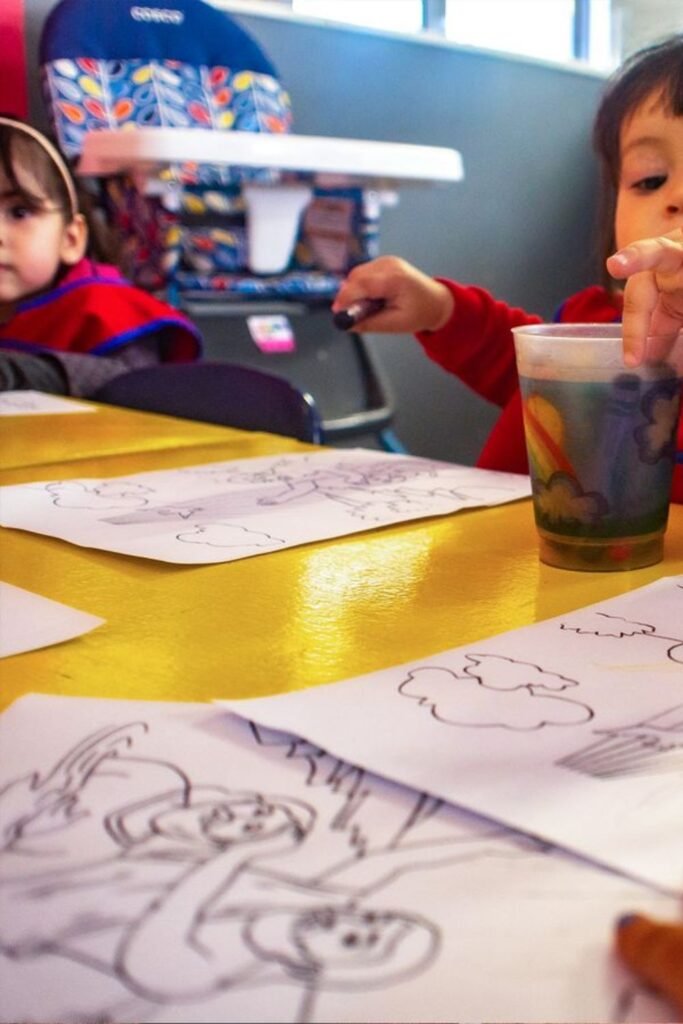
For younger children, chunky crayons are a practical option because they’re easier to grip and work well on large coloring shapes.
Washable markers are another fun choice for bright pictures, particularly when kids enjoy coloring animals, cartoon characters, and other simple designs.
Older children can try thick colored pencils for better control around outlines, especially when their coloring books contain smaller or more detailed spaces.
Choose age-appropriate supplies and check packaging labels, particularly for younger children, so they can explore colors safely without complicated tools or techniques.
2. Coloring Tools for Adult
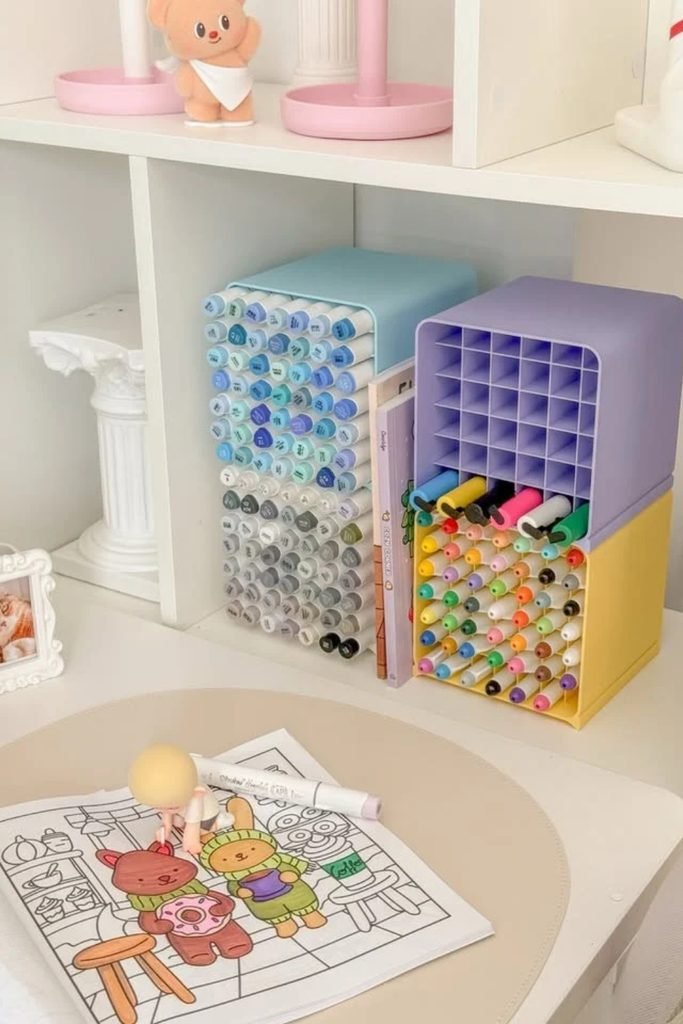
Adult coloring books often feature mandalas, flowers, and intricate patterns, so you’ll want something that handles narrow spaces without crossing outlines.
Colored pencils work especially well here because you can sharpen their tips, create lighter shades, and gradually build darker colors through layering.
Soft-core pencils make blending easier, while gel pens are helpful for adding metallic accents, tiny dots, and decorative highlights to finished designs.
If you prefer markers, test them on a spare page first because some inks bleed through thin paper and damage illustrations underneath.
3. Tools for Printable Pages
Printable coloring pages give you freedom to choose your paper, which makes experimenting with different pencils, crayons, and markers much easier.
Regular printer paper works reasonably well with colored pencils, particularly when you use light pressure and avoid adding too many layers.
For markers, try heavier paper and place an extra sheet underneath, since even thick paper cannot always prevent ink from bleeding through.
If you enjoy watercolor pencils, print your designs on suitable watercolor paper when possible, so moisture doesn’t leave ordinary sheets wrinkled or damaged.
4. Best Coloring Tools for Beginners
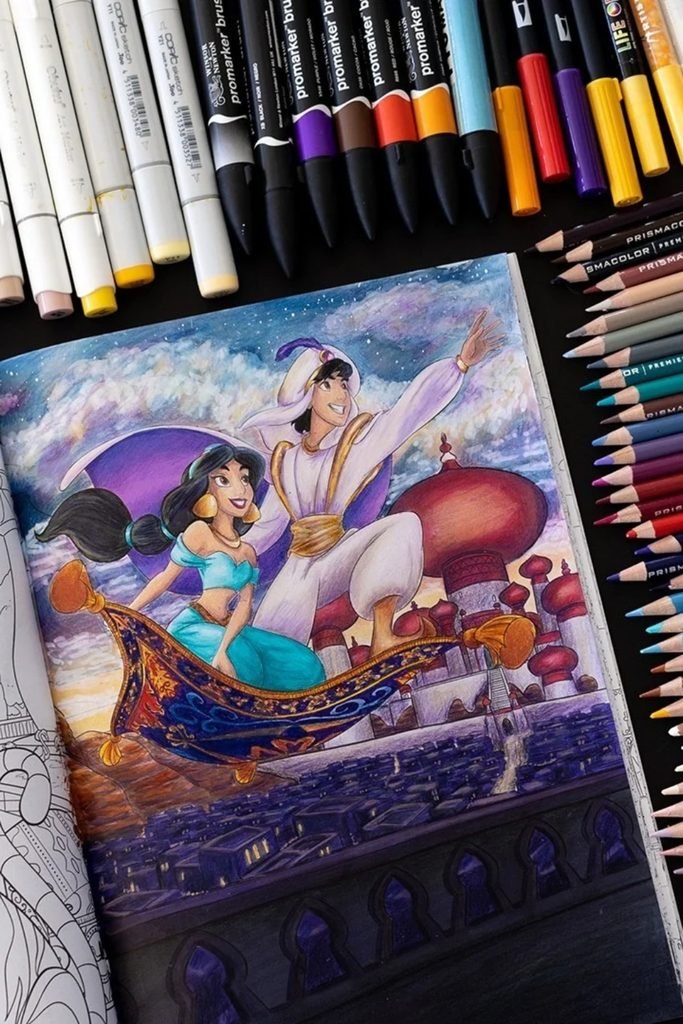
Better coloring results often come from improving your technique rather than purchasing expensive supplies, especially when you’re still learning the basics.
Try holding colored pencils lightly and building color through several thin layers instead of pressing hard to fill every space immediately.
You can blend neighboring shades for smoother transitions, then add small gel pen highlights once the main coloring work is finished.
Practice these techniques on simple flowers or geometric shapes before attempting detailed illustrations, and you’ll gradually develop better control over your tools.
What Should You Include in a Beginner Coloring Kit?
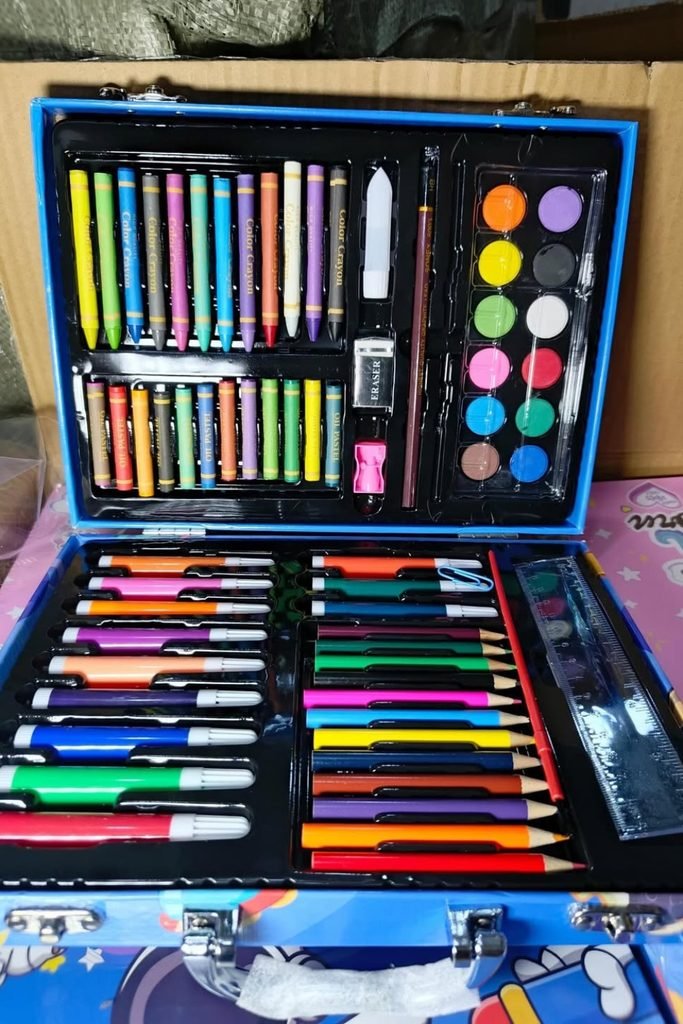
Your first coloring kit doesn’t need to include every popular art supply, since a few reliable basics can cover most beginner projects.
Start with a small colored pencil set, a sharpener, and suitable paper before buying additional tools you might rarely use.
Here’s a simple list of supplies worth keeping together:
- Colored pencils: A 12- or 24-color set for everyday coloring.
- Sharpener: Keeps pencil tips ready for detailed areas.
- Soft eraser: Helps correct light pencil mistakes.
- Gel pens: Optional for highlights and decorative accents.
- Paper: Choose sheets suitable for your coloring tools.
- Printable pages: Practice with easy and detailed designs.
Keep everything in a pencil case or small storage box, and replace or expand your supplies only when you need something different.
Why Do Beginner Coloring Pages Sometimes Look Messy?
Uneven colors, visible streaks, and messy outlines usually happen when you’re still learning how your coloring tools behave on different paper surfaces.
Pressing too hard with pencils can flatten the paper’s texture, making it difficult to add more color or create smooth layers.
Try using gentle pressure and small circular movements, then gradually build darker areas instead of filling everything with one heavy stroke.
With markers, avoid repeatedly soaking the same area with ink, and test unfamiliar tools on spare paper before coloring your favorite designs.
Does Paper Matter When Using Different Coloring Tools?
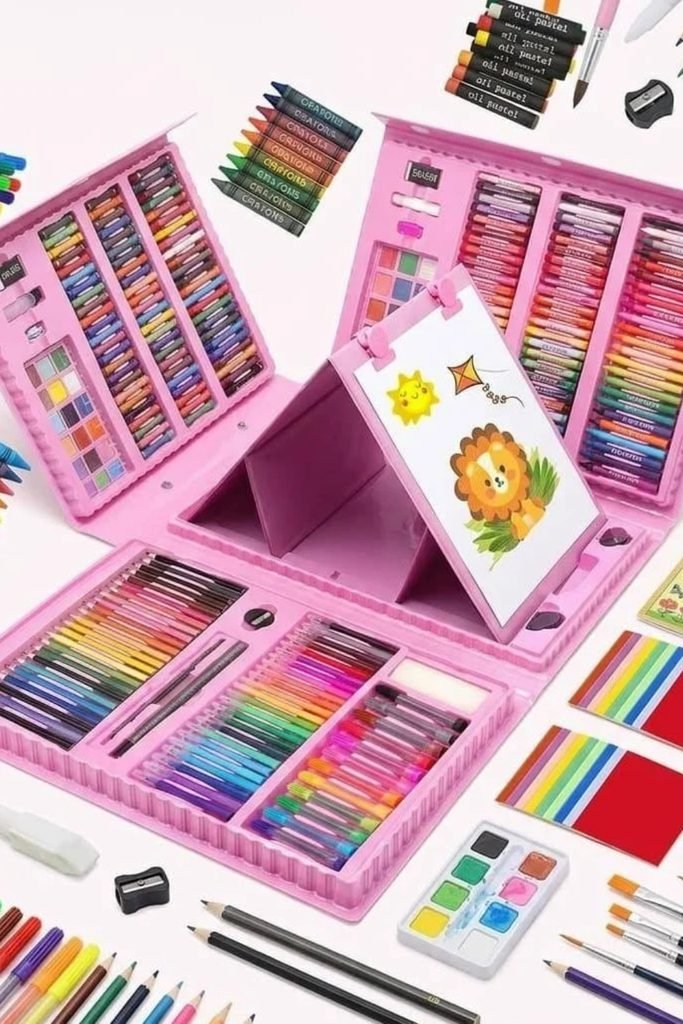
Paper affects how smoothly colors appear, how easily pencils blend, and whether marker ink spreads beyond outlines or reaches the other side.
Regular printer paper is fine for casual pencil coloring, but drawing paper with some texture often handles layering and blending better.
Markers may require specially designed paper to control ink absorption, while watercolor pencils need moisture-resistant sheets when you activate them with water.
Before buying a large paper pad, test a few different sheets with your favorite supplies to find a surface you enjoy.
How Much Should You Spend on Your First Coloring Supplies?
You don’t need a large budget to start coloring, and a basic pencil set can provide plenty of practice for beginners.
Spending more makes sense when you’ve identified a specific need, such as smoother blending, stronger colors, or better paper for markers.
The following budget ranges offer a general starting point, although actual prices depend on the brands, stores, and supplies you choose.
| Beginner Budget | What You Can Buy | Best For |
|---|---|---|
| Under $10 | Basic colored pencils, crayons, simple sharpener | Casual coloring and trying the hobby |
| $10–$30 | Better colored pencils, gel pens, quality eraser, better paper | Regular beginners who want smoother results |
| $30–$50 | Larger pencil set, watercolor pencils, blending tools | Beginners exploring additional techniques |
| $50+ | Premium pencils, markers, specialized supplies | Frequent hobbyists who understand their preferences |
For most beginners, starting with affordable pencils and paper is enough, leaving room to upgrade supplies after gaining some coloring experience.
Which Coloring Tools Should Beginners Avoid Buying First?
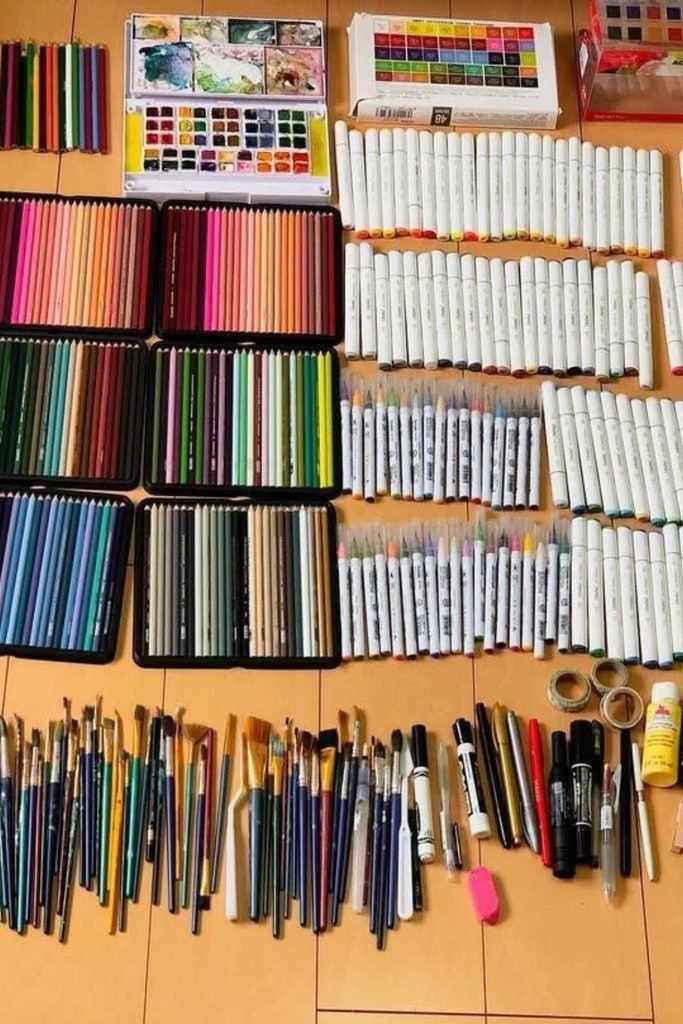
Large professional pencil sets might look exciting, but having hundreds of shades isn’t necessary when you’re learning simple coloring techniques.
Expensive alcohol-based markers can also be challenging because they require suitable paper and practice to manage blending, streaks, and ink saturation.
Instead of purchasing every specialty tool, spend time experimenting with basic pencils and notice which features would genuinely improve your coloring.
You might eventually want brighter markers or softer pencils, but choosing upgrades based on experience will help you avoid unnecessary purchases.
Conclusion
Finding the best coloring tools for beginners becomes easier when you focus on the designs you enjoy and supplies you can control.
A small colored pencil set, sharpener, and suitable paper are enough to start practicing without investing in expensive professional art materials.
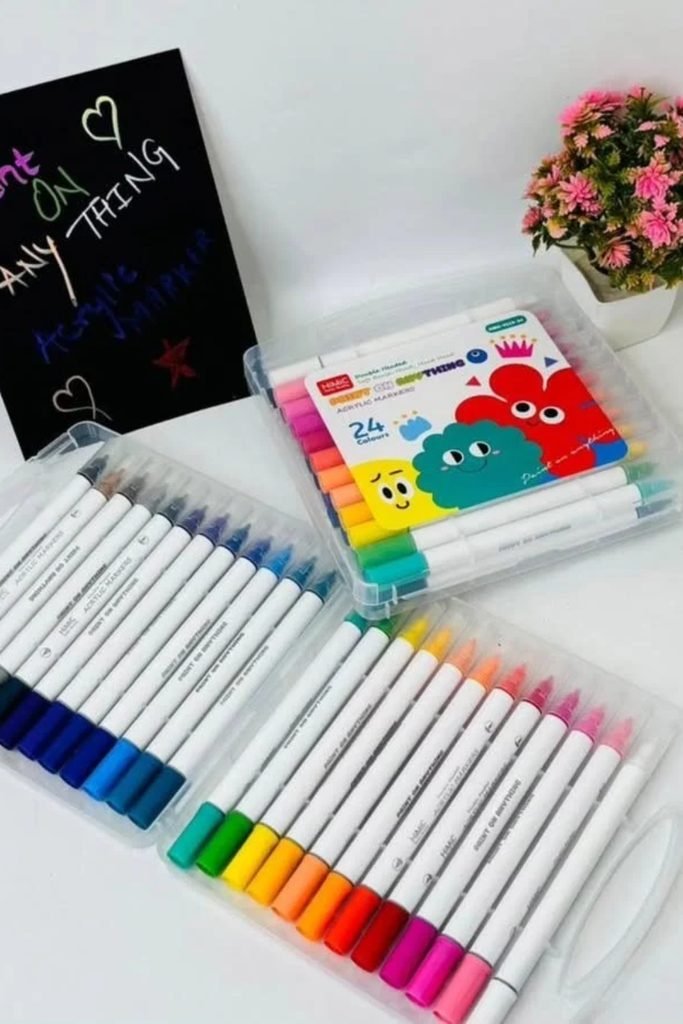
As your skills improve, experiment with markers, gel pens, or watercolor pencils whenever you want to explore new coloring techniques and effects.
Start with whatever supplies you have, enjoy trying different colors, and gradually build a collection that fits your interests and budget.