
Choosing coloring pages for kids sounds easy until you come across thousands of options online.
You may wonder if a page is too difficult for your toddler, too simple for your older child, or even fun enough to keep them interested.
If you choose the wrong page, kids can lose interest quickly, but you can help them build confidence, improve focus, & enjoy learning through creativity with the right one.
In this article, you’ll learn how to choose coloring pages based on your child’s age, skill level, interests, & learning needs.
Let’s jump in!
Things to Consider Before Choosing Coloring Pages
Choosing the right coloring page is not only about finding a cute picture your child likes.
You should think about your child’s age, coloring skills, interests, & what you want them to learn from the activity.
When a page matches your child’s ability, you can keep them interested & help them feel successful.
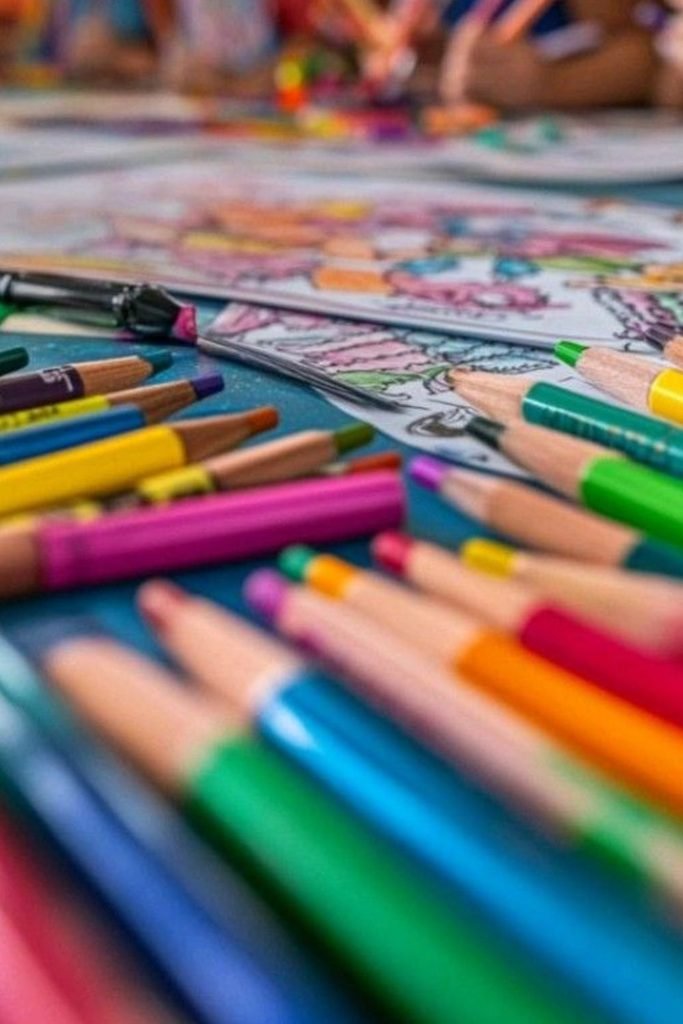
You can look at the size of coloring spaces, the number of details, & the type of theme before printing.
Some kids may enjoy simple animals & shapes, while others might prefer detailed scenes or fantasy designs.
If you choose carefully, you can turn coloring into a fun & useful activity.
Based on Your Child’s Age
Your child’s age can help you choose coloring pages that match their development level.
You should give toddlers simple designs with thick outlines, large spaces, & familiar objects they can easily recognize.
If your child is in preschool, you can choose slightly more detailed pages with simple scenes, letters, numbers, & nature themes.
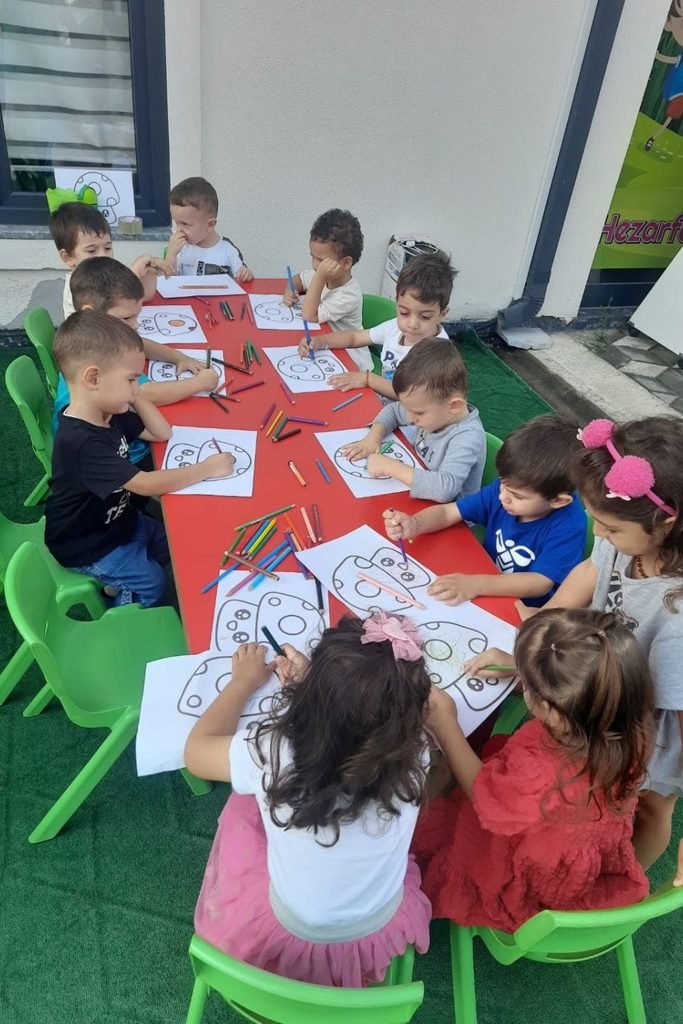
Older kids may enjoy pages with more details, storytelling elements, & creative challenges.
Remember, age is only a guide because every child develops skills at a different pace.
You can watch how your child colors & choose pages that feel enjoyable without making the activity frustrating.
Coloring Pages With Your Child’s Skill Level
A child’s coloring experience matters as much as their age.
If your child is a beginner, you can choose pages with large spaces, simple shapes, & clear outlines because they can color without feeling overwhelmed.
Children who already enjoy coloring may like pages with more objects, patterns, & small details that keep them focused.
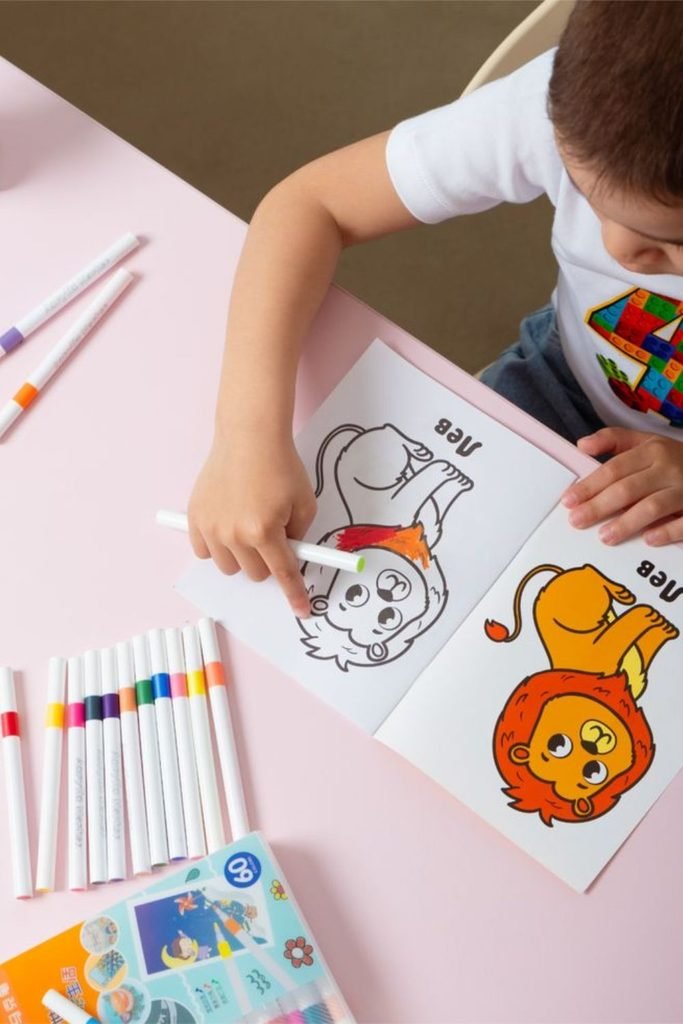
When a page has too many tiny areas, young children may lose patience. If it is too simple, older kids might feel bored.
You should choose a difficulty level that gives your child a small challenge while still letting them complete the artwork & feel proud of their work.
Based on Your Child’s Interests
Kids can feel more excited to color when the page connects with something they already love.
Instead of choosing random designs, you can think about your child’s favorite activities, toys, & topics.
If your child loves animals, you can choose pets, farm animals, or wildlife pages. Kids who like vehicles may prefer cars, airplanes, & construction machines.
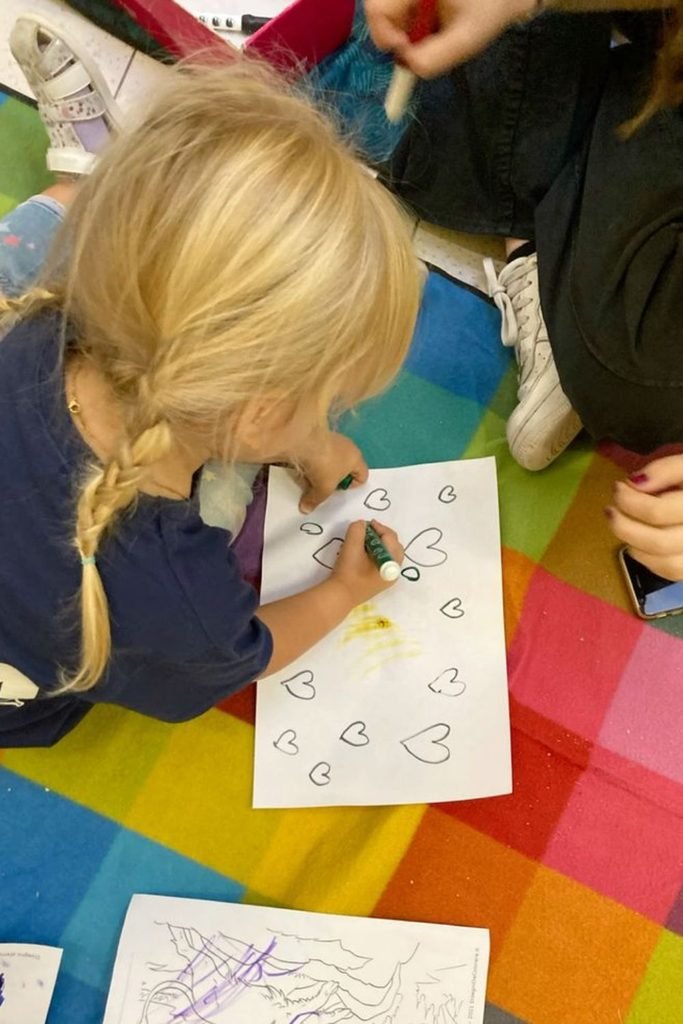
Creative children might enjoy fantasy worlds, magical creatures, or story scenes.
When the theme feels familiar & exciting, you can help your child spend more time coloring & exploring their imagination.
Choosing pages based on their interests can make coloring feel like play instead of just another activity.
Which Coloring Pages Help Kids Develop Specific Skills?
Coloring can support different skills when you choose the right type of page.
You can use pages with simple shapes & clear outlines to help young children practice pencil control & hand coordination.
Alphabet & number coloring pages can support early learning while keeping children engaged.
Older kids may enjoy detailed patterns & creative scenes that can improve focus & patience.
If you choose fantasy & open-ended designs, you can encourage imagination because children can create their own colors & stories.
Think about the skill you want to support & choose pages that naturally help your child practice it while having fun.
Easy or Too Difficult
Finding the right difficulty level helps your child enjoy coloring instead of feeling frustrated.
You may notice a page is too difficult if your child avoids starting it, asks for constant help, or leaves many areas unfinished.
Small spaces, complicated backgrounds, & too many details can make beginners feel overwhelmed.
A page may be too easy if your child finishes it very quickly & loses interest.
You should choose a page that gives your child enough challenge to stay focused but still lets them complete the picture.
When you watch their reaction, you can adjust the difficulty as their skills improve.
What Makes a Good Printable Coloring Page for Kids?
A good printable coloring page should be easy for children to understand & comfortable to color.
You should look for pages with clean black outlines, clear shapes, & enough empty space for coloring.
If your child is a beginner, you should choose designs without crowded details or tiny sections.
The image should also print clearly without blurry lines or dark areas that waste coloring space.
You can choose a simple white background & high-quality design to make the page easier to use with crayons, pencils, or markers.
Before printing, check if the page matches your child’s ability & whether it will create an enjoyable coloring experience.
Mistakes Parents Should Avoid
Many parents choose coloring pages based only on how attractive the image looks, but you should remember that appearance is not the only important factor.
A beautiful page may still be too difficult or boring for your child.
If your child is a beginner, you should avoid designs with too many small details or pages that do not match their interests.
Another common mistake is choosing only educational pages & forgetting that kids also need creative freedom.
The best coloring activities can balance learning & fun.
You should choose pages that your child can enjoy, complete, & use to feel confident while exploring their imagination.
Make Coloring More Enjoyable for Kids
Choosing the right coloring page is the first step, but you should remember that the way you present the activity also matters.
You can let children choose their own colors instead of telling them how the picture should look.
Give them different tools like crayons, colored pencils, or markers to make coloring more exciting.
You can also color together, ask them about their drawing, or display their finished artwork to encourage confidence.
If you avoid correcting every small detail, coloring can stay a creative activity.
When kids feel free & supported, they are more likely to enjoy coloring & continue exploring their creativity.
FAQs
What type of coloring pages are best for beginners?
Beginner coloring pages should have simple designs, thick outlines, & large areas that children can color easily.
Toddlers & young children often enjoy pages with familiar objects like animals, fruits, toys, & basic shapes.
You should avoid designs with many small details because they can make children feel frustrated.
The goal for beginners is to help them practice holding coloring tools, staying within lines, & building confidence.
When their skills improve, you can slowly introduce pages with more details & creative scenes. The best beginner page is one that feels fun & achievable for your child.
Should coloring pages always match a child’s age?
Age can be a helpful guide, but you should not use it as the only factor when choosing coloring pages.
Children of the same age can have different interests, attention spans, & coloring abilities.
If some younger kids enjoy detailed pages, some older kids may still prefer simple designs.
Instead of only looking at age recommendations, you should consider your child’s current skills & what they enjoy.
You can choose pages that offer the right balance between comfort & challenge.
A suitable coloring page should help your child stay interested, complete the activity, & feel proud of what they create.