Have you ever printed a beautiful coloring page, only to realize the paper feels too thin, your markers bleed through, or the colors don’t turn out the way you expected?
The paper you choose can make the big difference in your coloring experience.
While regular printer paper may work for quick projects, you might not enjoy using it for detailed designs, markers, or adult coloring pages.
You should pick the paper based on how you plan to color, the printer you can use, & the results you want.
In this article, you will discover the best paper for crayons, colored pencils, markers, & more, so you can print coloring pages that actually feel fun to color.
What Is the Best Paper for Printing Coloring Pages?
The best choice for printing coloring pages is 32 lb premium printer paper (around 120 GSM) because it gives you the right balance of quality, thickness, affordability, & printer compatibility.
You will notice it feels stronger than regular copy paper while still feeding smoothly through most home printers.
You can use it with crayons, colored pencils, & light markers without worrying about bulky paper. However, the best option still depends on your needs.
If you print simple pages for kids, heavyweight printer paper may work well, while detailed adult coloring pages or marker artwork may need cardstock or specialty paper.
When you choose the right paper first, you can save money & enjoy a much better coloring experience.
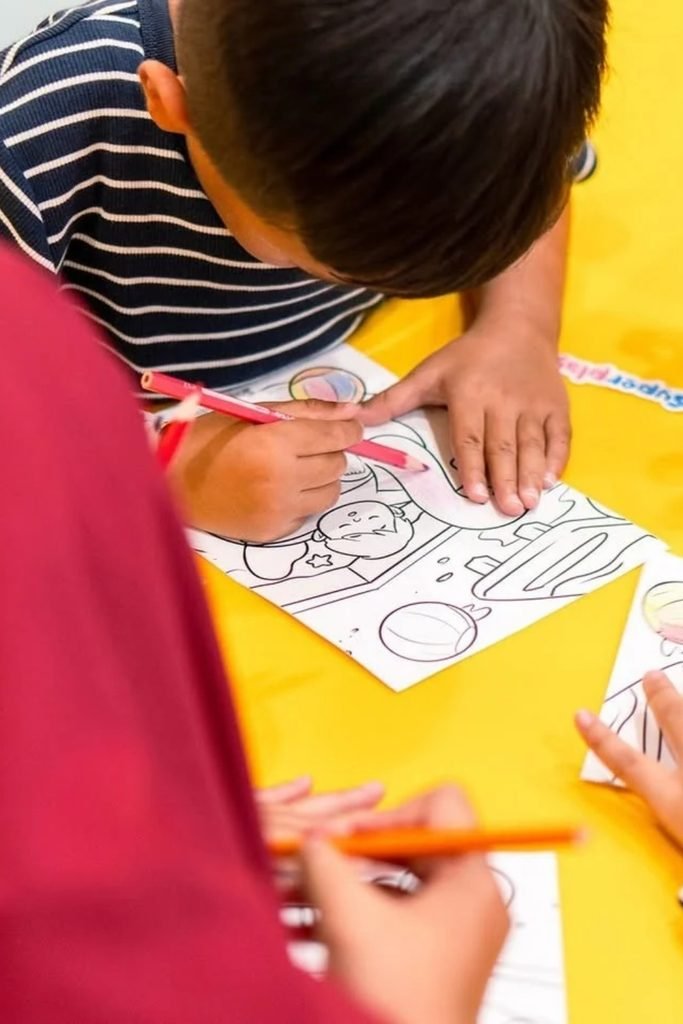
How to Choose the Right Paper for Your Coloring Style
The coloring tools you use matter more than simply choosing the thickest paper you can find.
If you use colored pencils, you may get better results with paper that has a little texture because it holds the color more easily.
While markers work best on smooth, thicker paper to reduce bleeding.
You can use crayons on affordable heavyweight printer paper without many issues, & gel pens usually glide better on smooth paper without skipping.
If you enjoy watercolor pencils or paints, you should avoid regular printer paper because it can wrinkle or tear, so watercolor or mixed-media paper will give you much better results.
When you match your paper to your coloring style, you can make every page look better & enjoy the whole coloring experience even more.
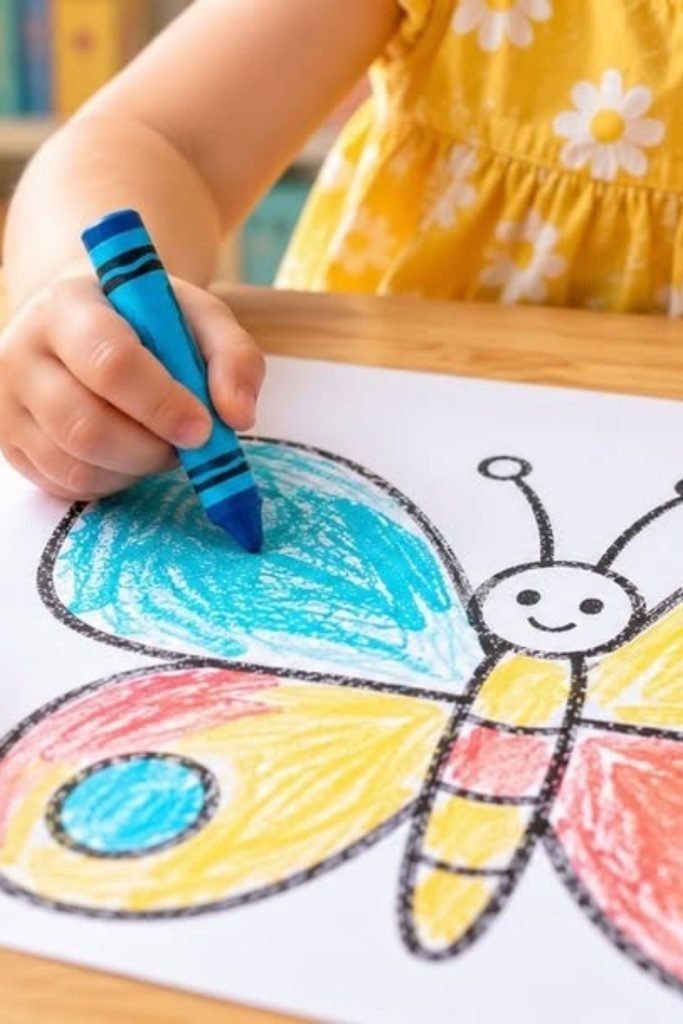
Paper Thickness Explained: GSM vs LB for Coloring Pages
Paper thickness can feel confusing because you will often see different measurements like GSM & LB.
GSM tells you the weight of paper per square meter, while LB shows the weight of a paper package in the United States.
You might think a higher number always means better paper, but thickness alone does not decide quality.
If you choose thick paper with the wrong surface, you may still get poor results with some coloring tools.
For most printable coloring pages, 100-120 GSM gives you a nice balance, while 160–300 GSM works better for crafts, markers, & wet mediums, though it may not fit every printer.
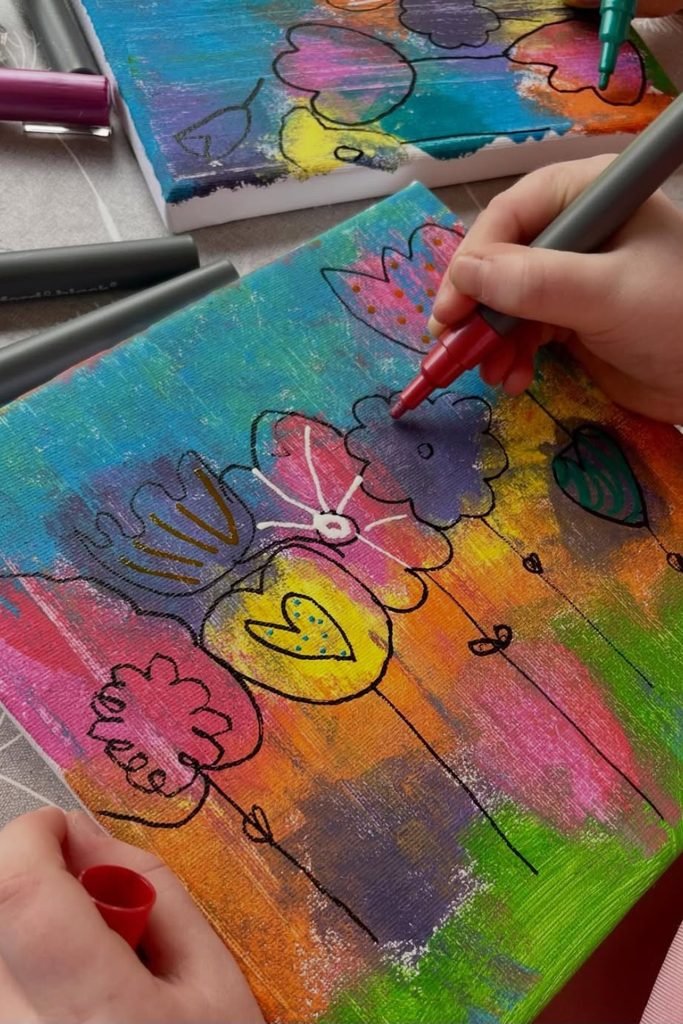
Cardstock vs Regular Printer Paper: Which One Should You Choose?
Regular printer paper & cardstock both have their own place when you print coloring pages.
You can choose standard printer paper if you want something affordable, easy to find, & great for kids’ coloring activities or printing lots of pages at once.
However, you may notice it feels thin & markers can bleed through.
If you want to keep, frame, or use your artwork for crafts, cardstock will give you a thicker, more professional finish.
The only downside is that some printers may not handle thick cardstock, & certain smooth surfaces may not work well with colored pencils.
You should choose the paper that fits your coloring needs, not just the thickest option.
Does Your Printer Matter When Choosing Coloring Paper?
Your printer plays an important role when you choose paper for coloring pages.
Many people buy thick cardstock or specialty paper without checking if their printer can handle it, & that can lead to paper jams or printing problems.
You will usually get smooth lines with an inkjet printer, & it can handle different paper types more easily.
A laser printer creates sharp outlines, but it may not work well with some specialty papers.
Before you choose thicker paper, you should check your printer’s maximum paper weight & use the manual feed option if it’s available.
When you test one sheet first, you can avoid wasting an entire pack of paper.
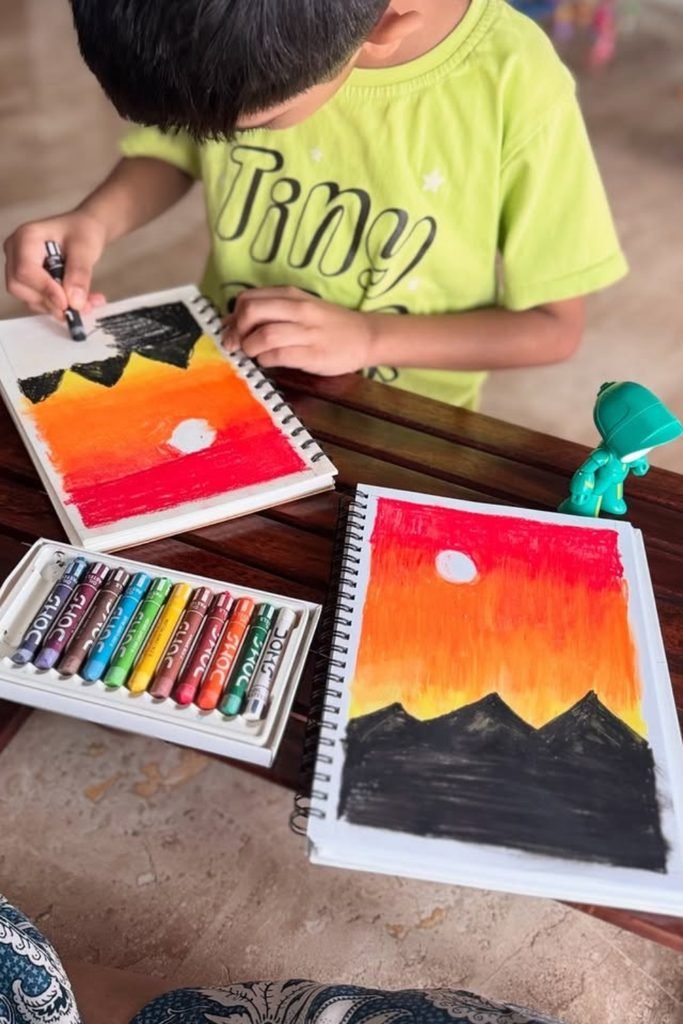
Common Mistakes to Avoid
Many people choose coloring paper based only on thickness, but you should know that’s one of the biggest mistakes.
A thicker sheet does not always give you better results because the surface texture matters too.
If you use regular printer paper with alcohol markers, you may end up with heavy bleeding & wasted pages.
You should also avoid buying extra-thick paper if your printer is not made for it because it can cause printing problems.
Another common mistake is choosing glossy paper, as colored pencils & crayons may not work well on it.
Instead of looking only at paper weight, you should consider your coloring tools, printer compatibility, & how you want your finished artwork to look.
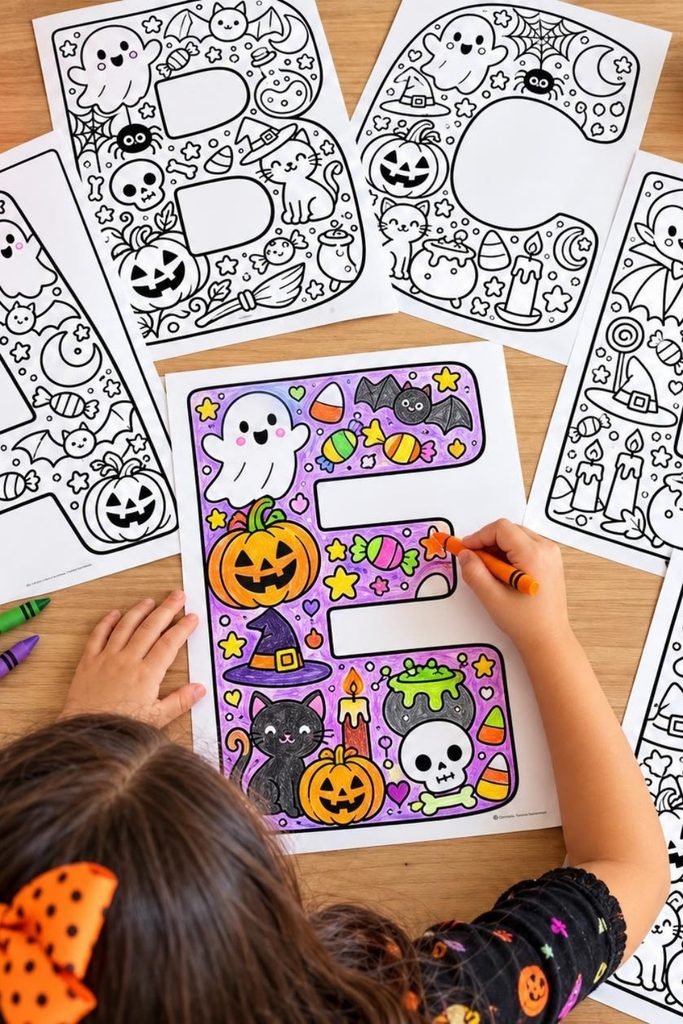
Best Paper for Different Coloring Page Users
Different people need different types of coloring paper.
If you print pages for kids, you can choose affordable 24–32 lb printer paper because it works well with crayons & washable markers, and you may need to print lots of pages.
If you enjoy adult coloring books, you will usually get better results with smoother, heavier paper that supports blending & detailed designs.
If you use markers, you may prefer marker paper or high-quality cardstock for a cleaner finish.
If you create & sell printable coloring pages, you should recommend 32 lb premium printer paper because it helps your customers get great results without buying expensive supplies.
When you choose paper based on your needs, you can enjoy a much better coloring experience.
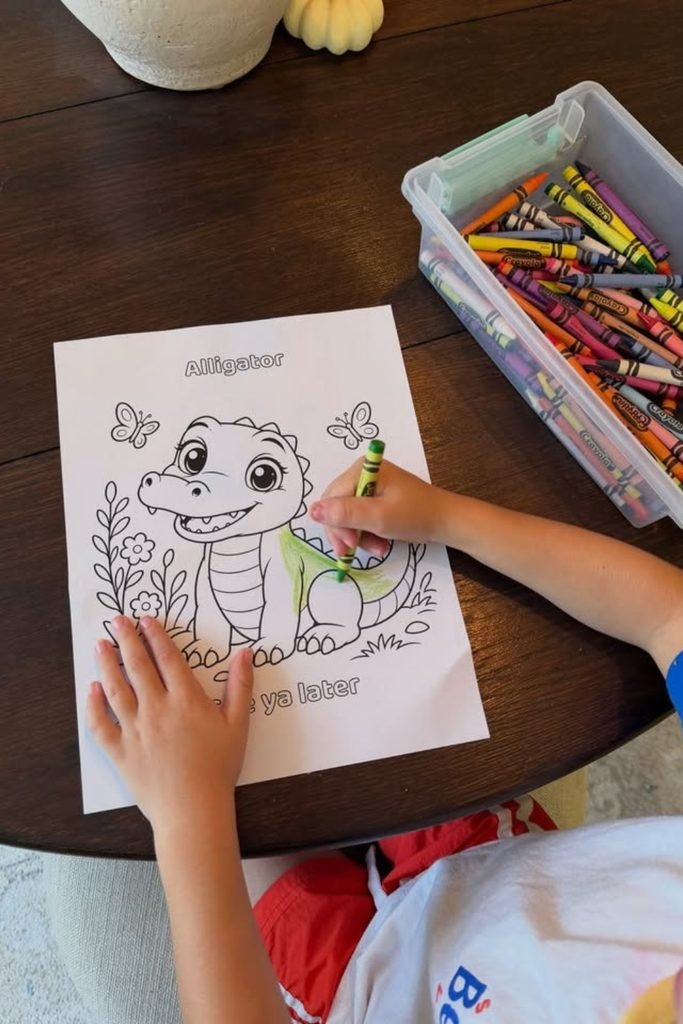
Which Paper Should You Buy?
If you only want one paper that works well for most printable coloring pages, you should choose 32 lb premium bright white printer paper (around 120 GSM).
You will get better durability than regular copy paper while still keeping it affordable & compatible with most home printers.
If you print pages for kids, standard heavyweight printer paper will usually be enough. If you use markers for detailed artwork, you should switch to marker paper or smooth cardstock.
If you enjoy watercolor projects, you will get better results with watercolor or mixed-media paper.
The key is to choose paper based on how you color, not by simply picking the thickest option. When you choose the right paper, you can enjoy smoother, brighter, & more enjoyable coloring pages.
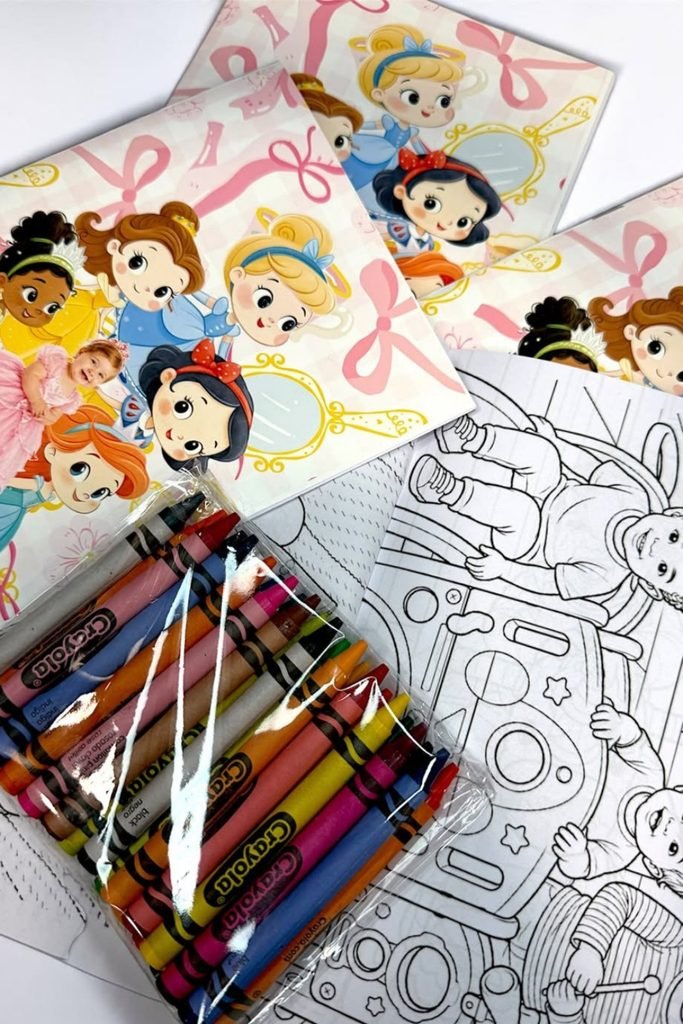
What GSM Paper Is Best for Printing Coloring Pages?
For most coloring pages, you should choose paper between 100–120 GSM because it gives you a great balance of durability & printer-friendly performance.
You can use this thickness with crayons, colored pencils, & everyday coloring without any trouble.
If you plan to use markers, make crafts, or want a more premium feel, you may prefer heavier paper around 160–200 GSM.
If you enjoy watercolor coloring, you should use paper around 300 GSM because it can absorb moisture without warping.
Instead of choosing paper by GSM alone, you should also consider your coloring tools & your printer’s limits. The best GSM is the one that matches the way you plan to color.
| Paper Weight (GSM) | Paper Type | Best For | Recommended Coloring Tools | Pros | Cons |
| 70–90 GSM | Regular Printer Paper | Quick kids’ activities and simple coloring pages | Crayons, colored pencils | Affordable, easy to find, works with almost every printer | Thin, may tear easily, markers bleed through |
| 100–120 GSM | Premium Printer Paper | Everyday printable coloring pages | Colored pencils, crayons, light markers | Best balance of quality, price, and printer compatibility | Not ideal for heavy marker use |
| 140–160 GSM | Heavyweight Paper | Adult coloring pages and detailed designs | Colored pencils, gel pens, markers | Feels more professional, durable, handles more coloring pressure | Some home printers may not support it |
| 180–220 GSM | Thick Cardstock | Crafts, keepsake artwork, marker coloring | Alcohol markers, gel pens, fine liners | Strong surface, less tearing, premium feel | Can cause printer jams if too thick |
| 250–300 GSM | Watercolor/Mixed Media Paper | Painting-based coloring projects | Watercolor pencils, paints | Absorbs water well, prevents curling and damage | Usually requires a printer designed for thick paper |
Conclusion
Choosing the right paper can completely change how your coloring pages look & feel.
While regular printer paper works well for quick activities, you may not get the smooth coloring experience you want, especially if you use markers or enjoy detailed designs.
For most printable coloring pages, you should choose 32 lb premium printer paper (around 100–120 GSM) because it gives you a great balance of quality, durability, & printer compatibility.
If you use alcohol markers, create artwork you want to keep, or enjoy watercolor projects, you will get better results with cardstock, marker paper, or watercolor paper.
The key is not choosing the thickest paper but choosing the one that matches your coloring tools, printer, & purpose.
When you pick the right paper, you can make every printed coloring page feel more enjoyable & professional.