Have you ever watched your child spend ages coloring a simple picture and wondered whether they’re actually learning anything useful?
Coloring might seem like an ordinary activity, but holding crayons, choosing shades, and filling shapes can involve several developing skills.
Beyond keeping little hands busy, this creative activity gives children opportunities to practice coordination, explore ideas, and express themselves freely.
In this article, you’ll discover seven benefits of coloring for kids and how this simple activity can support their everyday development.
Why Coloring Is More Than Just a Fun Activity for Kids?
Coloring isn’t simply about making pictures beautiful because children use their hands, eyes, and imagination together throughout the creative process.
Each time they pick a color or fill a shape, they practice making decisions and controlling small movements with their hands.
Some children enjoy experimenting with unusual combinations, while others feel proud when they finish a picture entirely on their own.
You can also join the activity, ask about their artwork, and turn an ordinary coloring session into meaningful time together.
7 Benefits of Coloring for Kids
Coloring offers different learning opportunities, from practicing hand movements to exploring imagination, and each benefit contributes something valuable to children’s development.
1. Improves Fine Motor Skills
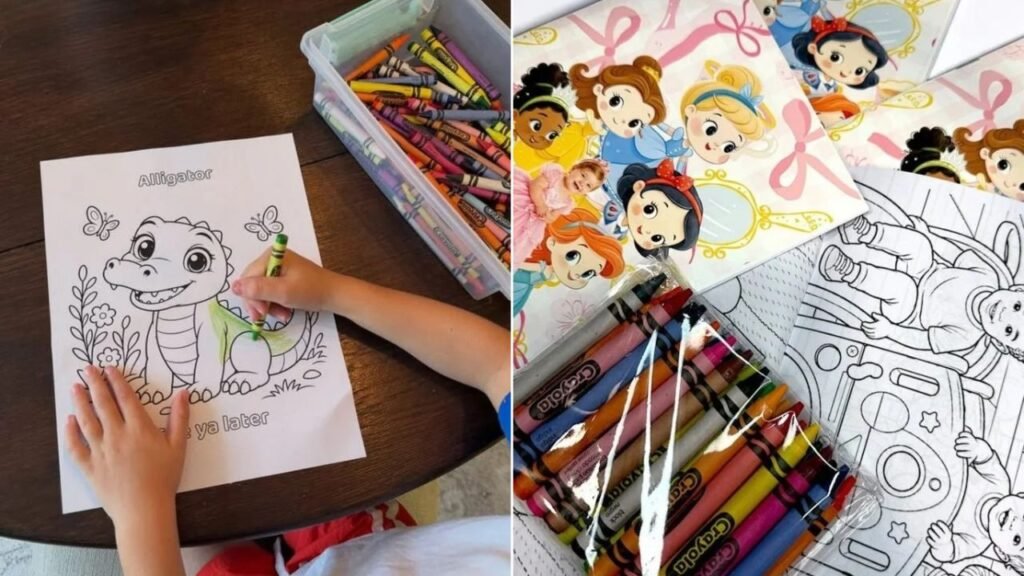
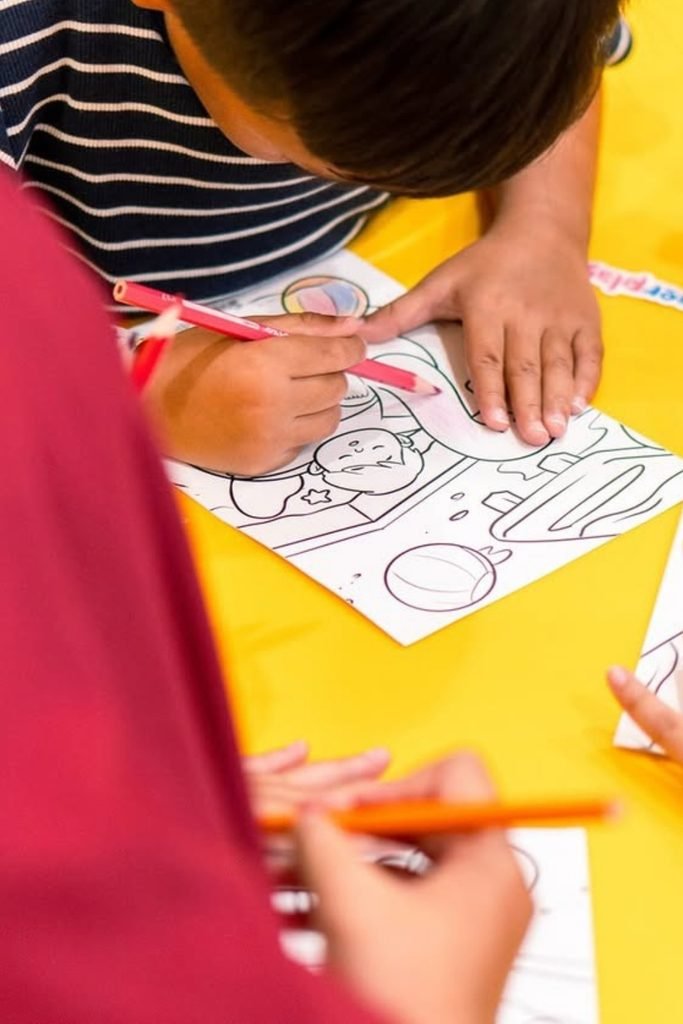
Holding a crayon requires children to use small muscles in their fingers and hands while adjusting pressure and direction across paper.
As they fill different shapes, they get opportunities to practice gripping tools, moving their wrists, and making more controlled strokes.
These movements support developing fine motor skills that are also useful for everyday activities such as drawing, writing, and handling small objects.
Offer chunky crayons for younger children and introduce finer coloring tools gradually as their grip and hand control become more comfortable.
2. Develop Focus and Patience
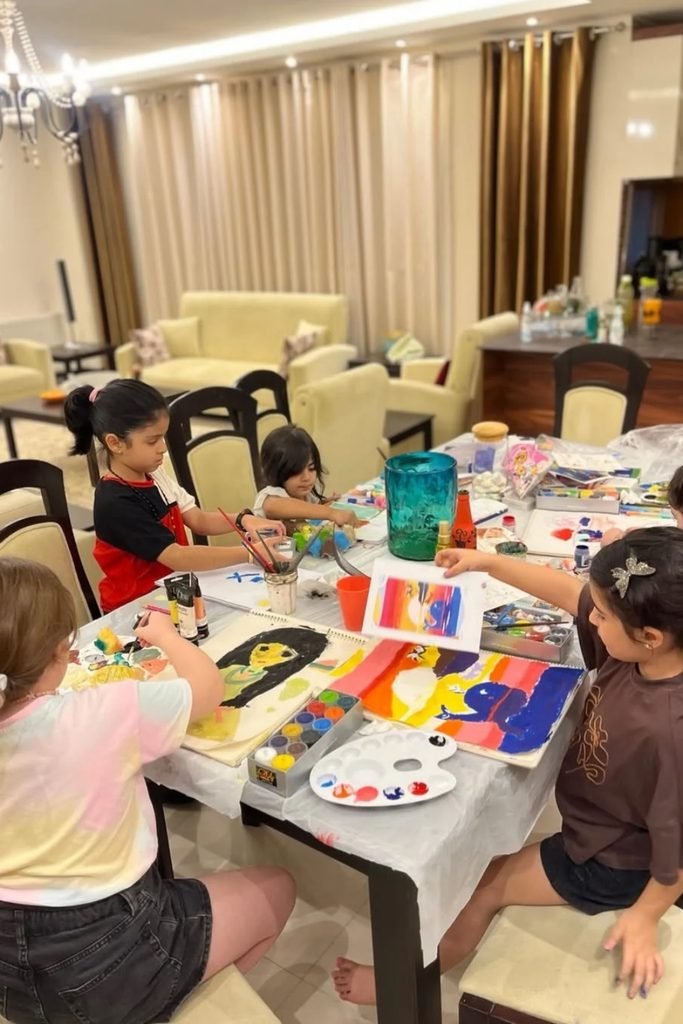
Children often move between activities quickly, but an interesting coloring page can encourage them to stay engaged with one creative task.
Choosing colors, working through different sections, and noticing small details give them opportunities to practice attention without following complicated instructions.
Finishing a picture may also introduce the idea that some activities take time, especially when children enjoy working on detailed designs.
Start with short coloring sessions and let their interest guide the activity instead of expecting them to concentrate for long periods.
3. Creativity and Imagination
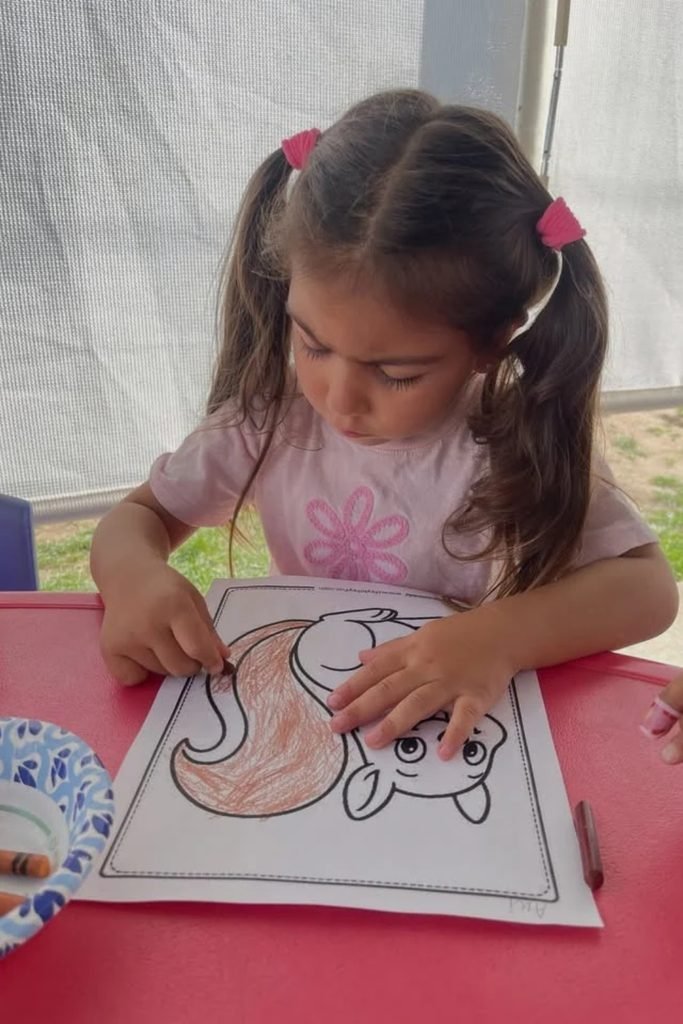
A purple elephant or a rainbow-colored tree might look unusual, but imaginative choices are part of what makes coloring enjoyable.
Children can experiment with different shades, create their own patterns, and decide how familiar objects should appear in their artwork.
This freedom encourages creative exploration because there isn’t always one correct way to color a picture or combine different shades.
Instead of correcting their choices, ask what inspired the colors and let them explain the ideas behind their finished creations.
4. Supports Emotional Expression
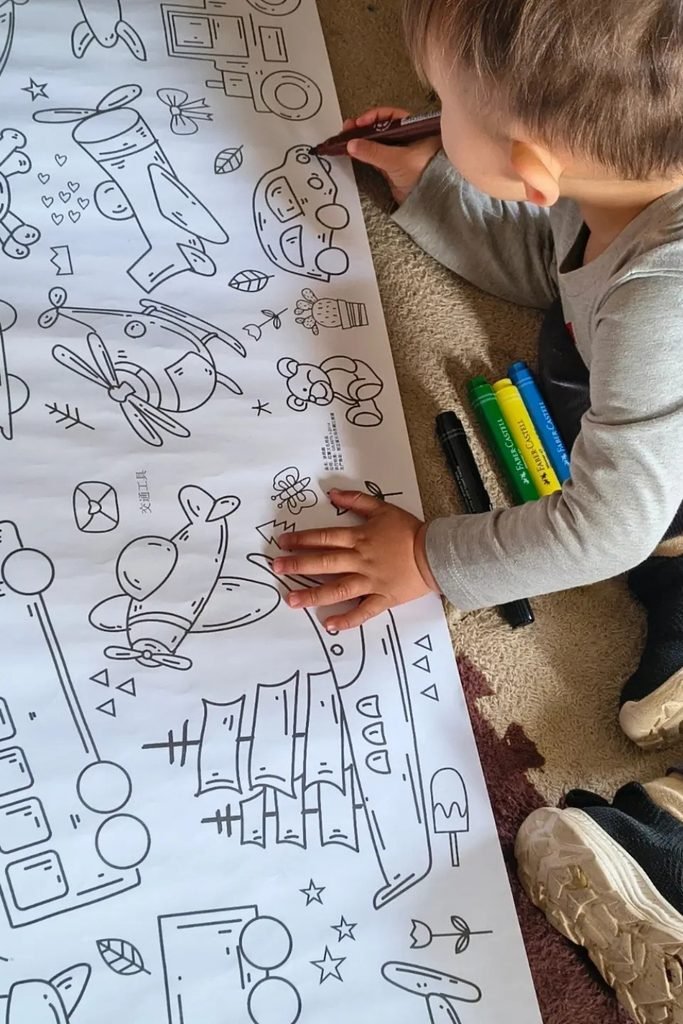
Some children find it easier to talk while drawing or coloring, especially when they’re feeling tired, upset, or overwhelmed.
A quiet coloring activity may provide a comforting break from busy surroundings, allowing them to enjoy something familiar at their own pace.
You can invite conversations about their pictures, but avoid assuming particular colors reveal specific emotions or hidden feelings.
Try sitting together with crayons and paper after a busy day, giving your child space to relax or share their thoughts.
5. Builds Early Learning
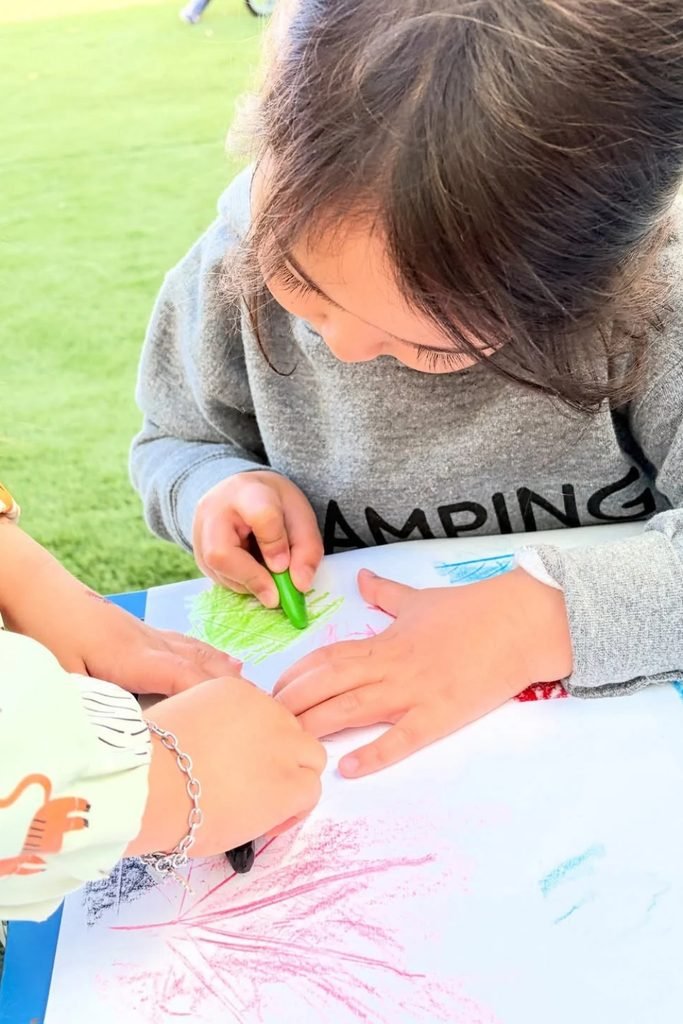
Coloring activities can introduce children to basic learning concepts, including colors, shapes, familiar objects, and following simple directions during play.
For example, an animal coloring page offers opportunities to name different creatures, recognize body parts, and talk about their surroundings.
Filling shapes and controlling crayons also provide practice with movements that support developing drawing and early handwriting skills over time.
Choose educational coloring pages occasionally, but allow plenty of free coloring so learning remains enjoyable rather than feeling like schoolwork.
6. Improves Hand-Eye Coordination
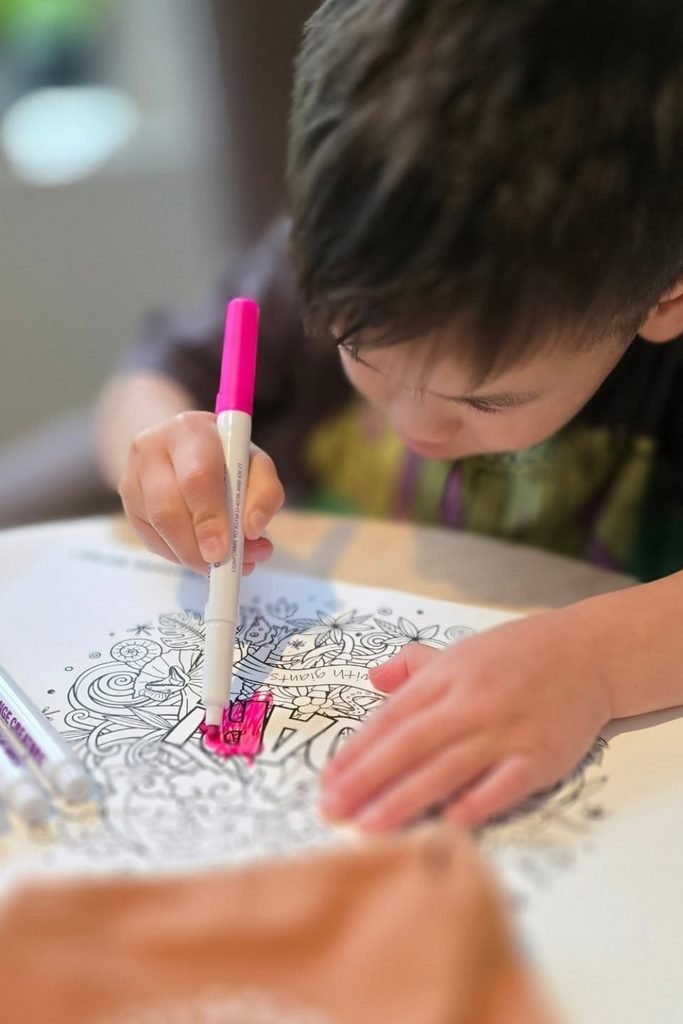
Coloring encourages children to coordinate what they see with how their hands move, particularly when following outlines or filling shapes.
They gradually learn to notice boundaries, adjust their strokes, and guide crayons toward different areas of a picture more carefully.
These activities offer practice with visual attention and hand-eye coordination, skills children also use when drawing, building, and handling toys.
Begin with large pictures featuring bold outlines, then introduce smaller details when your child seems comfortable exploring more challenging designs.
7. Builds Confidence
Finishing a coloring page can feel exciting for children, especially when they’ve chosen their own colors and completed the artwork independently.
Allowing them to make creative decisions gives them opportunities to explore personal preferences without constantly seeking approval from an adult.
Rather than praising only neat pictures, recognize their effort, interesting ideas, or willingness to try something unfamiliar during the activity.
Display their favorite artwork on a wall or refrigerator if they enjoy sharing it, making their creative efforts feel appreciated.
How Can Parents Encourage Kids to Enjoy Coloring More?
Let your child choose coloring pages featuring their favorite animals, cartoon characters, or everyday objects to make the activity more exciting.
Try coloring together occasionally and ask simple questions about their artwork, allowing them to share ideas without feeling pressured or corrected.
Offer different coloring tools and introduce new designs gradually, but avoid expecting perfect results or forcing them to finish every picture.
Celebrate their creativity, display their favorite artwork, and keep coloring sessions relaxed so they develop a positive connection with creative activities.
Conclusion
Coloring offers children opportunities to explore creativity, practice hand movements, and develop useful skills while enjoying a simple hands-on activity.
From experimenting with colors to following outlines, different coloring experiences can support learning, coordination, and personal expression as children grow.
You don’t need expensive supplies or complicated projects; a few crayons and suitable coloring pages are enough to get started.
Encourage your child to explore freely, appreciate their individual progress, and make coloring an enjoyable part of everyday creative play.