Teaching your child to color might seem easy until they start scribbling everywhere, breaking crayons, or losing interest after a few minutes.
Many parents wonder whether their child should already recognize colors, hold crayons properly, or stay inside the lines while coloring pictures.
But coloring develops gradually, and children need opportunities to explore different movements before they can control their crayons with greater accuracy.
In this guide, you’ll learn how to teach kids coloring through simple activities, suitable supplies, and enjoyable practice without unnecessary pressure.
When Should Kids Start Learning Coloring?
Children can begin exploring coloring during their toddler years, often around 12–24 months, when they become interested in making marks on paper.
At this stage, scribbling is completely normal because toddlers are discovering how their hand movements create different lines and marks.
Between ages two and three, many children begin experimenting with colors, basic shapes, and simple pictures, although individual progress varies considerably.
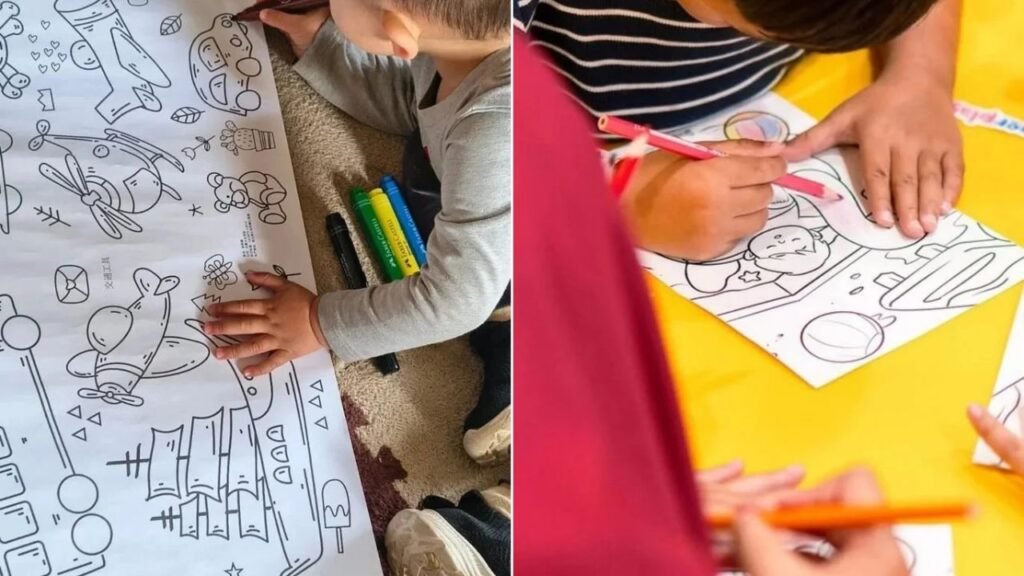
Instead of expecting neat results, offer age-appropriate crayons and large paper, supervise the activity, and let your child explore freely.
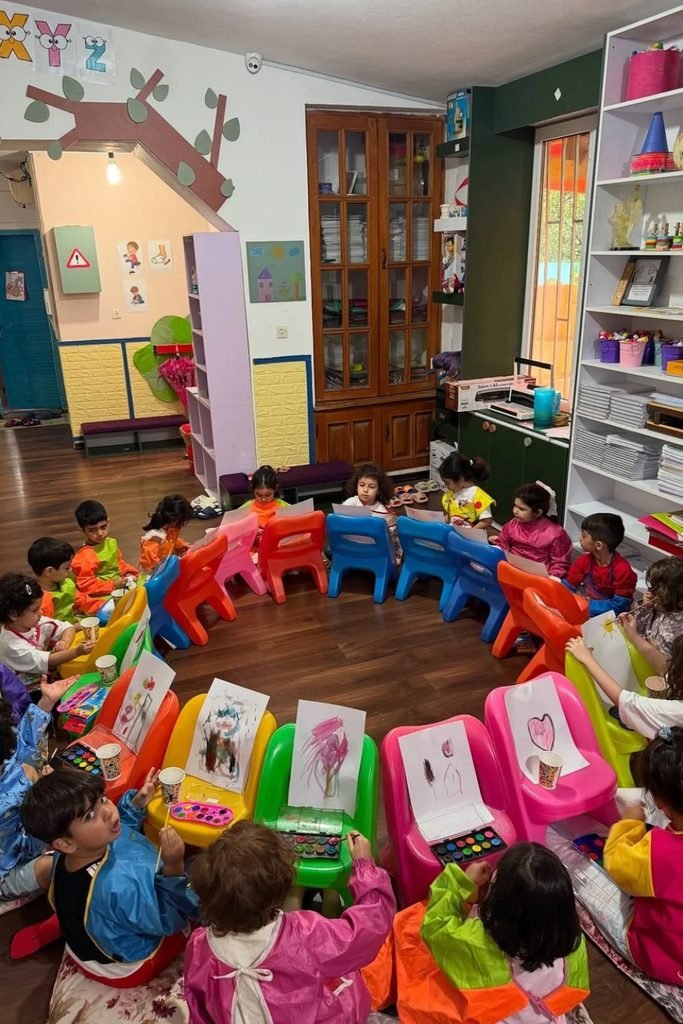
How Do Coloring Skills Develop at Different Ages?
| Age Group | Common Coloring Skills | Suitable Activities |
|---|---|---|
| 1–2 Years | Exploring marks and scribbling | Large paper and supervised crayon play |
| 2–3 Years | Experimenting with colors and movements | Simple shapes and free coloring |
| 3–4 Years | Developing better hand control | Large pictures with bold outlines |
| 4–5 Years | Practicing more controlled coloring | Familiar objects and simple patterns |
| 5+ Years | Exploring details and different techniques | Smaller designs, shading, and creative projects |
What Skills Should Kids Build Before Learning Coloring?
Before expecting neat coloring, give your child opportunities to strengthen their fingers and develop better coordination through everyday playful activities.
Playing with dough, peeling large stickers, tearing paper, and stacking blocks can help children practice different hand and finger movements.
Simple drawing games also help, especially when children practice making circles, straight lines, and other marks without following strict outlines.
These activities support early motor development and prepare children for greater pencil control, but they don’t need to master them before coloring.
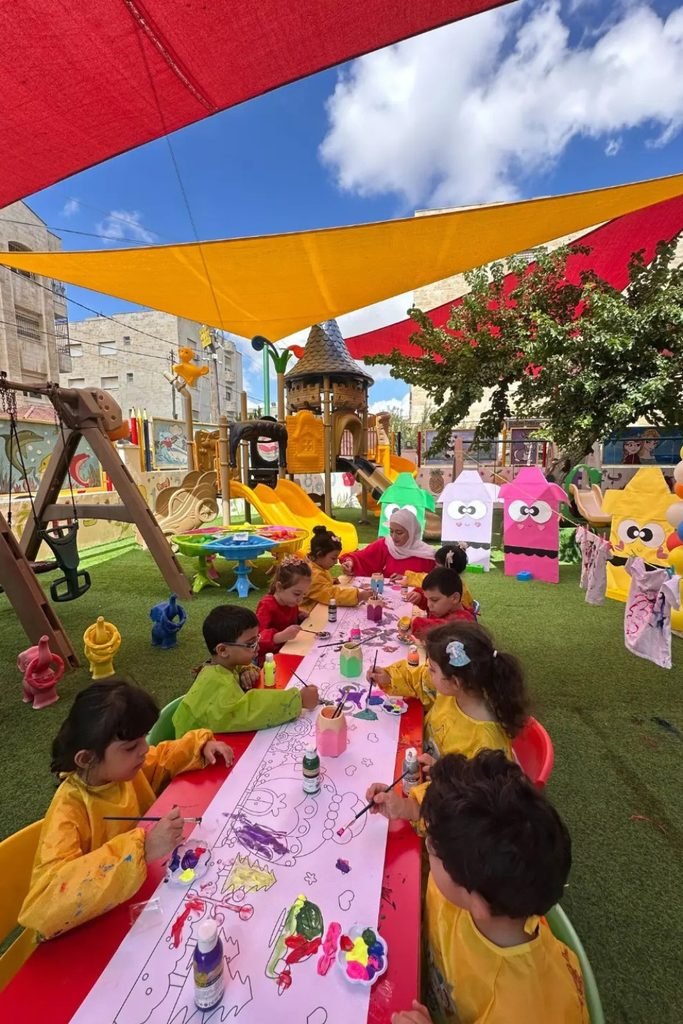
How to Teach Kids Coloring?
Begin with a blank sheet of paper and let your child make marks freely without worrying about correct colors or neat outlines.
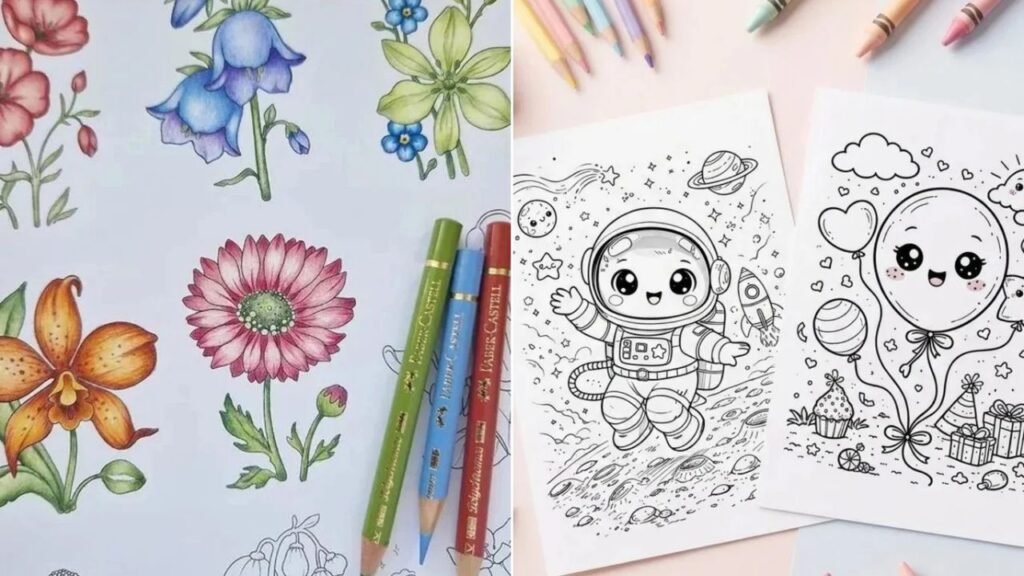
Once they feel comfortable, introduce simple pictures featuring large objects, such as apples, balloons, butterflies, or other familiar shapes.
Sit beside your child and demonstrate gentle strokes, then encourage them to experiment rather than copying every movement you make.
Gradually introduce smaller coloring sections as their control improves, and celebrate their effort instead of expecting perfectly finished pictures.
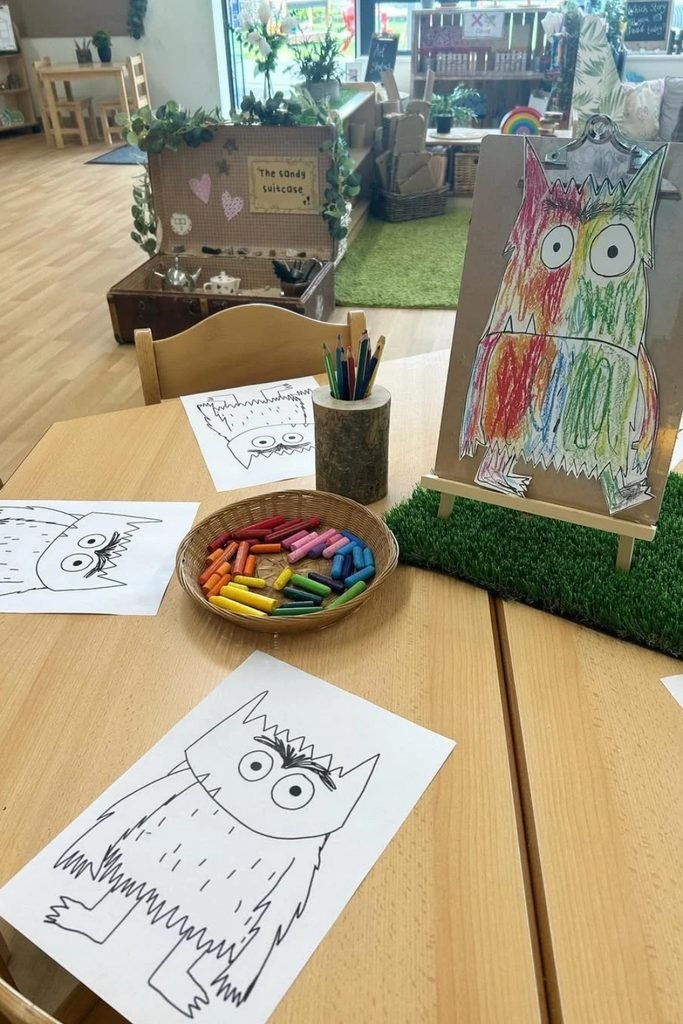
How Can You Help Kids Color Inside the Lines?
Staying inside the lines requires developing hand control, so younger children often need plenty of practice before they can manage boundaries.
Start with pictures featuring thick outlines and large spaces, allowing your child to practice coloring without feeling overwhelmed by tiny details.
Try demonstrating short, gentle strokes near the edges, then let them fill the remaining space using whichever movements feel comfortable.
Avoid correcting every mark outside the border because encouragement and playful practice are more helpful than making mistakes feel important.
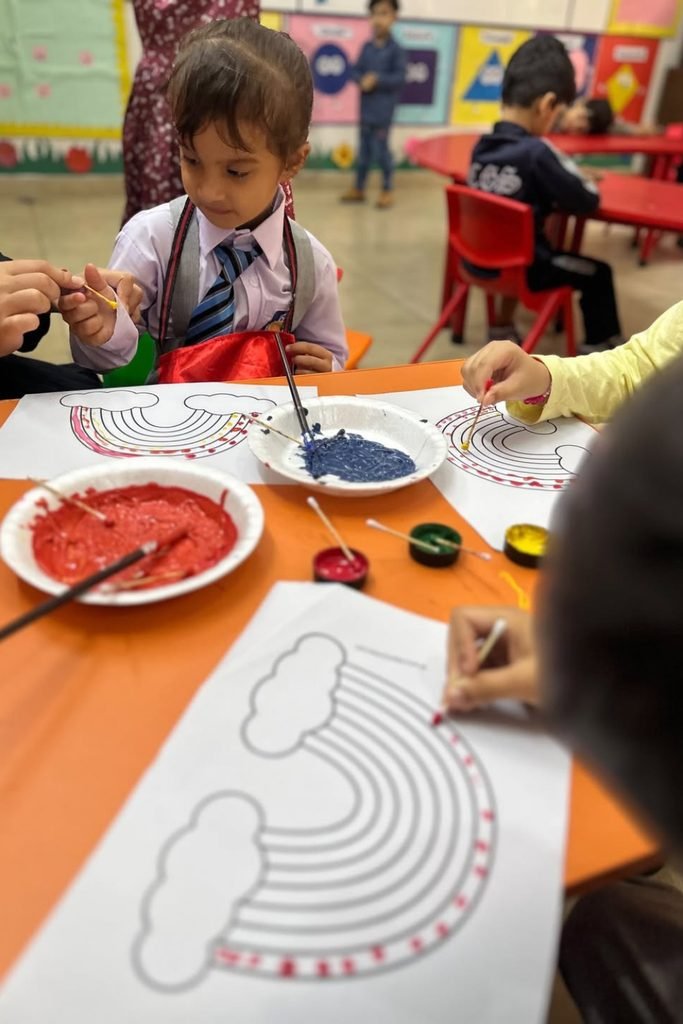
How to Choose the Right Coloring Pages for Kids?
The best coloring pages match your child’s current abilities and interests, making the activity enjoyable without introducing unnecessary frustration or difficulty.
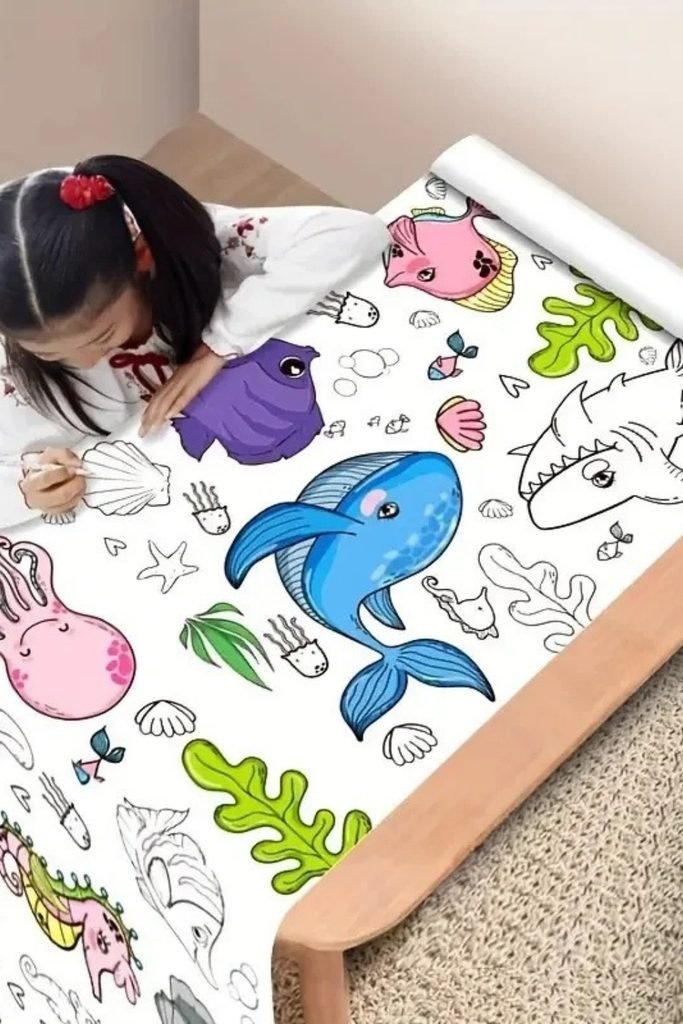
For toddlers, choose familiar objects with large coloring spaces, such as fruits, animals, balloons, and other pictures with simple outlines.
Preschoolers may enjoy cartoon characters, flowers, vehicles, and basic scenes, while older children often appreciate more detailed patterns and illustrations.
If your child struggles with a particular design, offer an easier page instead of pushing them to complete something beyond their comfort.
What Coloring Supplies Work Best for Young Kids?
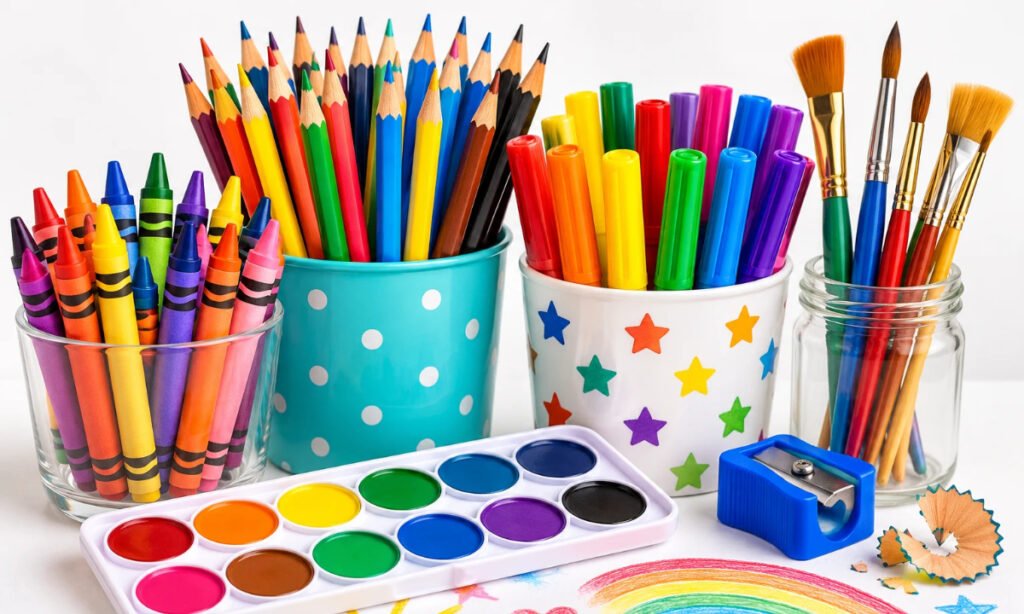
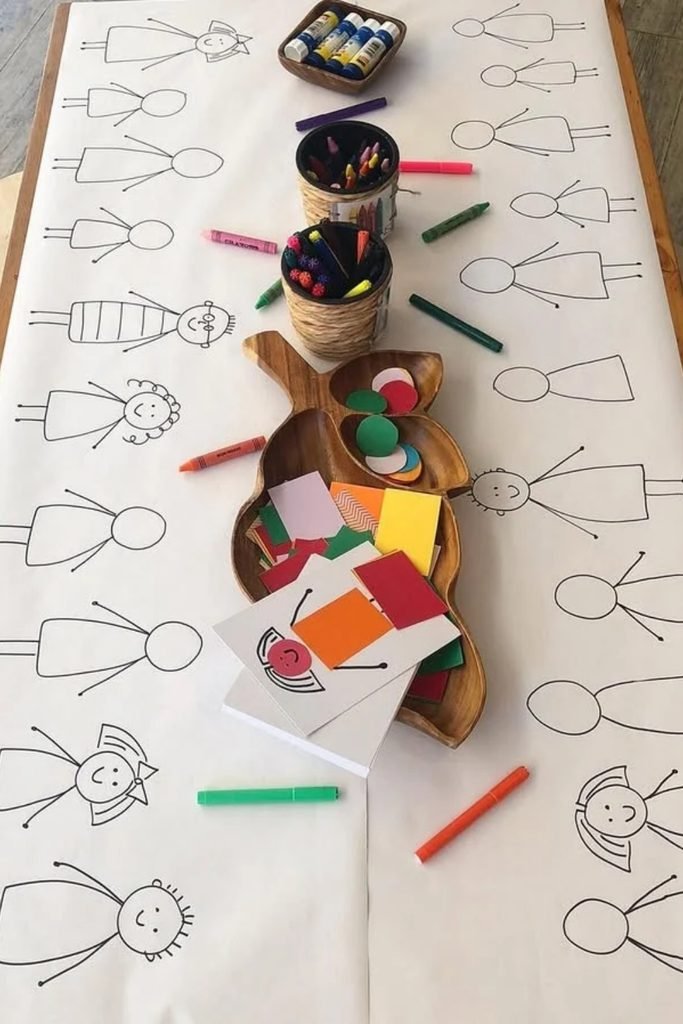
Thick crayons are often easier for toddlers to grip, especially while they’re still learning how to control their hands and fingers.
Washable markers are another practical option for supervised activities, although children may need guidance to avoid pressing too hard on paper.
As their skills improve, introduce regular crayons or colored pencils that allow them to experiment with smaller shapes and details.
Always choose age-appropriate, non-toxic supplies, check packaging warnings, and supervise younger children, particularly when tools contain removable caps or small parts.
How to Make Coloring Fun and Engaging for Kids?
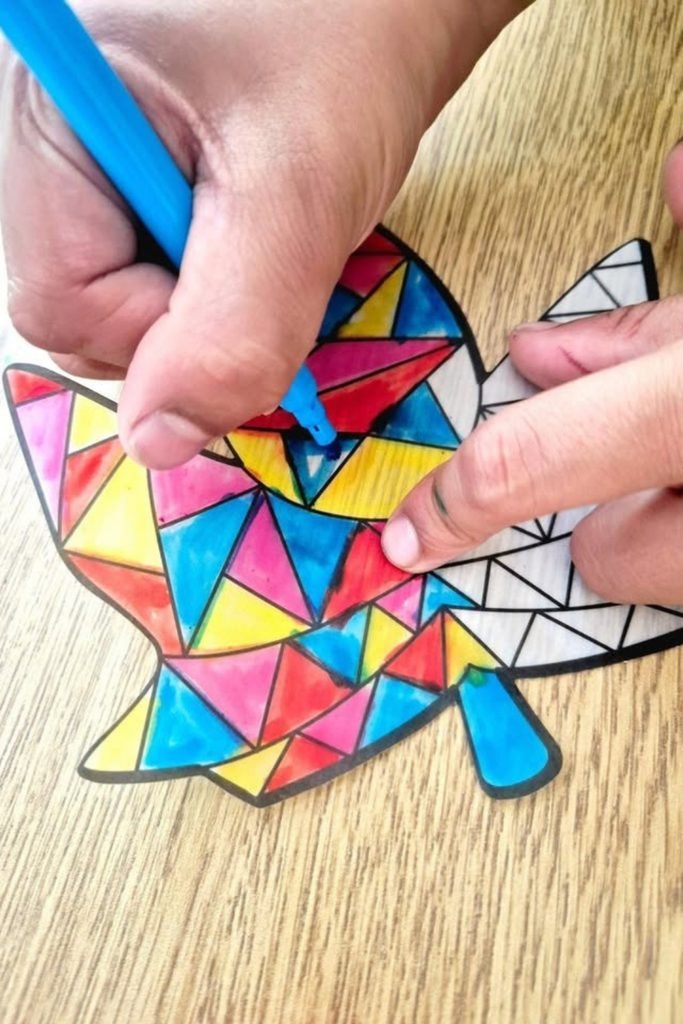
Children are more likely to enjoy coloring when the pictures feature subjects they recognize, love, or find interesting in everyday life.
Try offering pages with their favorite animals, vehicles, or cartoon characters, and let them choose whichever design catches their attention.
Turn coloring into a playful conversation by asking about their color choices or making up a short story about the picture.
You can also color alongside them, but avoid forcing them to finish every page when they’d rather explore another activity.
Common Mistakes Parents Should Avoid
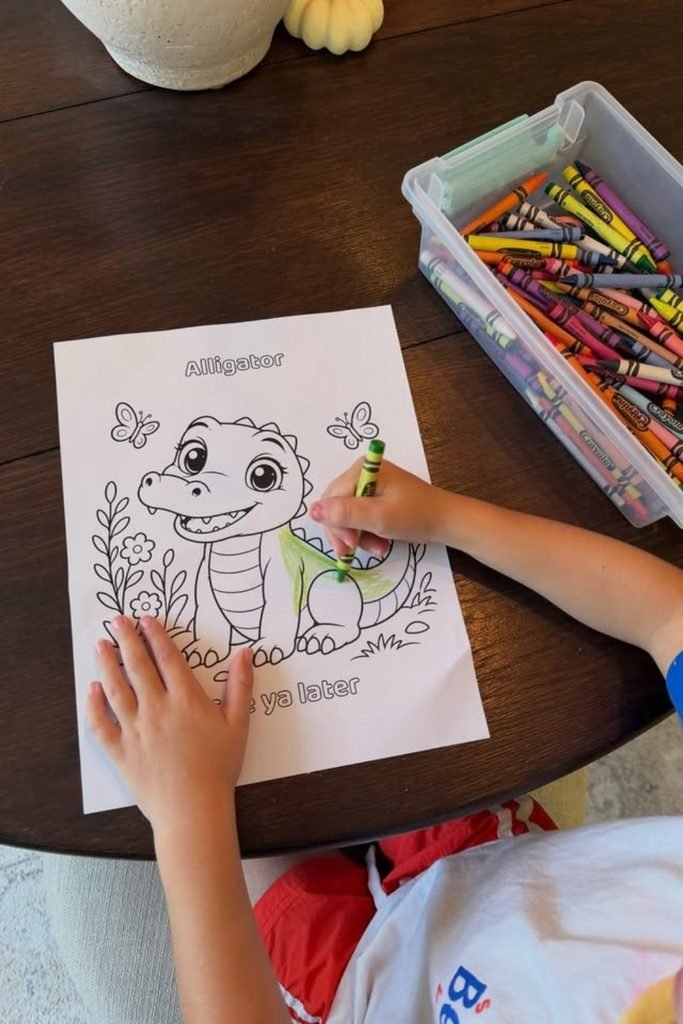
Expecting perfectly neat pictures too early can make coloring stressful, particularly when children are still developing basic hand control and coordination.
Avoid correcting unusual color choices or insisting that every shape must stay inside its outline, since creativity doesn’t follow strict rules.
Giving children overly detailed pages may also discourage them, so introduce new challenges gradually as their skills and confidence improve.
Focus on their progress and enjoyment rather than comparing finished pictures, and offer encouragement whenever they try something new.
How Does Coloring Help Kids Learn and Develop?
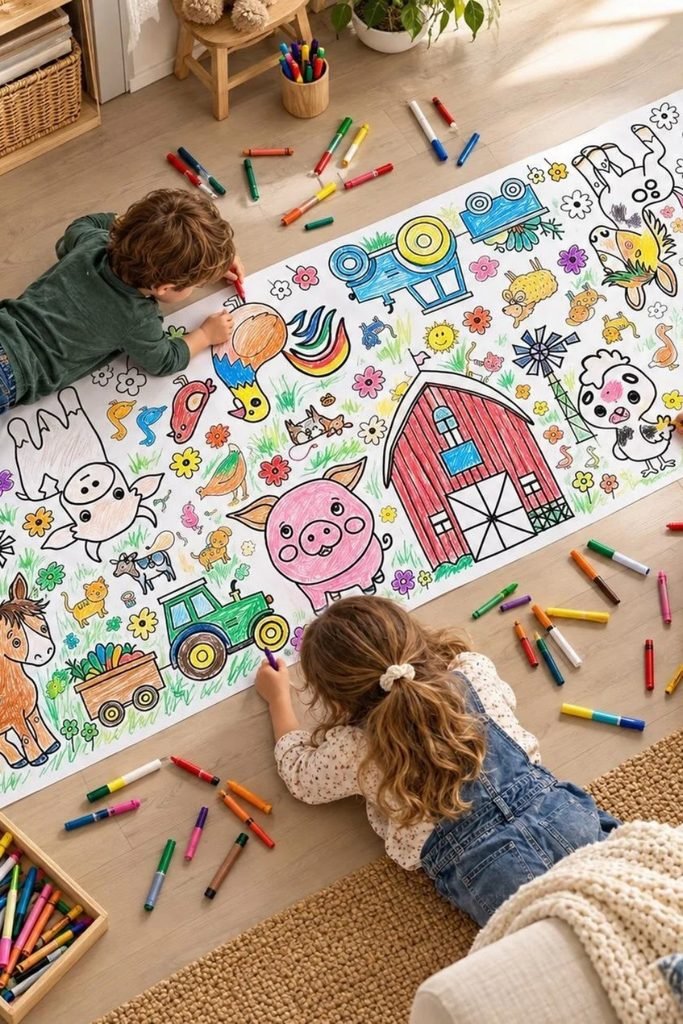
Coloring gives children opportunities to practice fine motor movements as they grip crayons, change directions, and fill different shapes on paper.
Following outlines also encourages hand-eye coordination, while selecting colors allows children to experiment with choices and express their own ideas.
Simple coloring activities can introduce familiar shapes, animals, and everyday objects, making creative time another opportunity for playful learning.
Although coloring isn’t a substitute for other developmental activities, it can support growing skills while giving children an enjoyable creative experience.
Conclusion
Teaching kids to color becomes easier when you focus on playful exploration instead of expecting neat pictures or perfect outlines immediately.
Begin with simple designs and comfortable crayons, then introduce smaller shapes and new activities as your child’s coordination gradually improves.
Encourage creativity, appreciate their effort, and remember that scribbling is a natural part of learning how to control coloring tools.
With patience and enjoyable practice, children can build confidence, explore their imagination, and develop coloring skills at their own pace.